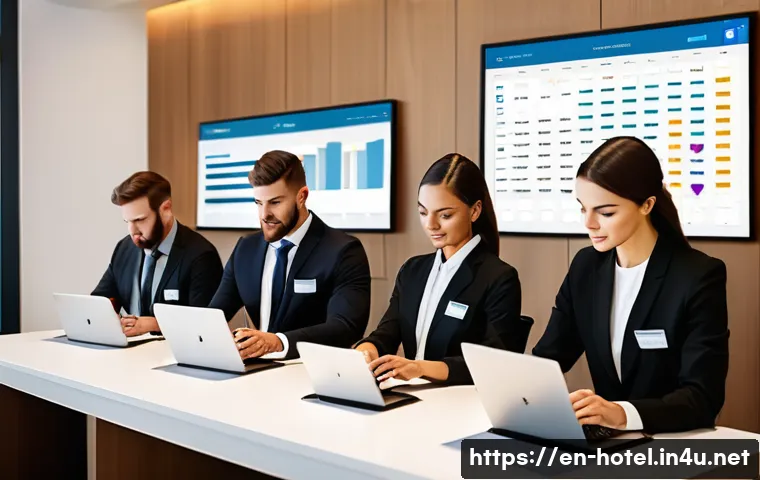
Managing hotel staff efficiently has become more crucial than ever in today’s fast-paced hospitality industry. With the rise of digital tools, hotel managers can now streamline scheduling, track employee performance, and handle payroll with greater accuracy and less stress.
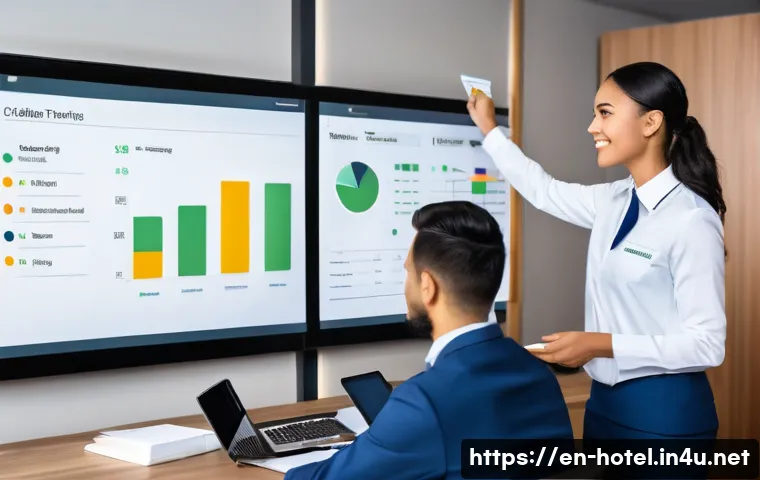
These software solutions not only save time but also improve overall guest satisfaction by ensuring the right people are in the right place at the right time.
From small boutique hotels to large resorts, adopting the right HR software can transform how teams operate behind the scenes. If you’re curious about how these technologies can elevate your hotel’s workforce management, let’s dive deeper and explore all the essentials ahead.
We’ll break down everything you need to know to make an informed choice!
Optimizing Team Scheduling with Smart Automation
Balancing Shift Coverage and Employee Preferences
Finding the sweet spot between full shift coverage and respecting staff availability has always been a juggling act. With modern scheduling tools, you can input employee availability and preferences, and the system suggests optimal shifts that minimize conflicts and overtime.
I’ve seen firsthand how this reduces last-minute schedule changes and boosts morale—people appreciate when their time-off requests are honored and their work hours are predictable.
This balance not only keeps employees happy but also ensures your hotel runs smoothly without understaffing during peak times.
Real-Time Shift Updates and Communication
Nothing causes more headaches than miscommunication about who’s working when. Many platforms now offer instant notifications for shift changes, swap requests, or coverage needs.
This immediate feedback loop keeps everyone in the loop, cutting down on no-shows or confusion at the front desk and housekeeping. From my experience, empowering staff with mobile access to their schedules has dramatically improved punctuality and reduced the back-and-forth emails or calls that used to bog down management.
Forecasting Labor Needs Based on Demand Patterns
The beauty of leveraging data-driven scheduling is the ability to anticipate busy periods. By analyzing historical occupancy and event data, software can predict when you’ll need extra staff or when you can safely reduce hours.
This proactive approach prevents overstaffing and understaffing scenarios, helping control labor costs without sacrificing service quality. I remember switching to a demand-based scheduling tool and noticing a clear drop in unnecessary overtime expenses within just a few months.
Streamlining Employee Performance Tracking and Feedback
Setting Clear KPIs and Goals for Each Role
Performance management becomes much easier when everyone knows what’s expected. Setting clear Key Performance Indicators (KPIs) tailored to each department—whether it’s guest satisfaction ratings for front desk staff or room turnaround times for housekeeping—gives employees concrete targets.
I’ve found that when staff understand how their daily work contributes to overall success, they’re more motivated and engaged.
Continuous Feedback Over Annual Reviews
Rather than waiting for yearly performance reviews, some hotels have adopted ongoing feedback systems enabled by HR software. Managers can quickly record positive notes or address issues as they arise, creating a culture of continuous improvement.
In my experience, this approach prevents small problems from escalating and encourages open communication, which ultimately benefits the guest experience.
Utilizing Data to Identify Training Needs
Performance data also reveals skills gaps or areas where employees struggle. By pinpointing these early, you can offer targeted training sessions or mentorship programs.
One hotel I worked with used performance dashboards to track front desk check-in times and found that new hires needed additional coaching on the reservation system, which they promptly arranged—leading to faster check-ins and happier guests.
Enhancing Payroll Accuracy and Compliance
Automating Time Tracking and Attendance
Manual timekeeping often leads to errors or disputes over hours worked. With integrated time tracking tools, employees can clock in and out using biometric scanners or mobile apps, ensuring accurate records.
I’ve seen how this eliminates guesswork and reduces payroll discrepancies, which builds trust between staff and management.
Ensuring Compliance with Labor Laws
Labor regulations vary widely, and compliance is critical to avoid costly fines or legal trouble. Modern HR software includes built-in compliance checks that alert managers if schedules violate overtime rules, minimum rest periods, or wage laws.
Having this safety net has saved several hotels I know from inadvertent violations that could have led to penalties.
Simplifying Payroll Processing and Reporting
Payroll processing can be a nightmare without the right tools, especially when dealing with multiple pay rates, tips, and bonuses. Software that automates calculations and generates detailed reports lightens this burden significantly.
I recall how one hotel cut payroll processing time in half after switching to an integrated system, freeing up managers to focus on guest services instead of number crunching.
Fostering Employee Engagement and Retention
Recognition and Rewards Integration
Acknowledging good work goes a long way in keeping staff motivated. Many platforms now offer built-in recognition features, allowing managers and peers to give shout-outs or points redeemable for rewards.
I’ve noticed that even small gestures of appreciation, tracked and made visible through these tools, boost team spirit and reduce turnover rates.
Facilitating Career Development Paths
Employees value clear growth opportunities. HR software can map out career paths and track progress toward promotions or certifications. When I worked with a boutique hotel, they used these features to encourage internal mobility, which not only retained talent but also saved on hiring costs by promoting from within.
Gathering Employee Feedback with Pulse Surveys
Regular check-ins via quick pulse surveys help management gauge employee satisfaction and identify issues before they escalate. These anonymous surveys, often integrated into HR platforms, have been a game changer in maintaining open dialogue and adjusting policies to suit staff needs.
Improving Recruitment and Onboarding Efficiency
Streamlined Job Posting and Applicant Tracking
Finding the right candidates quickly is essential, especially during peak seasons. Software that automates job postings across multiple platforms and tracks applicants centrally makes recruitment less time-consuming.
I remember how a resort I worked with cut their hiring cycle by 30% thanks to an efficient applicant tracking system.
Digitized Onboarding and Training Modules
Onboarding new hires can be chaotic without a structured process. Digital onboarding tools deliver training materials, policy documents, and compliance forms electronically, allowing new employees to get up to speed before their first shift.
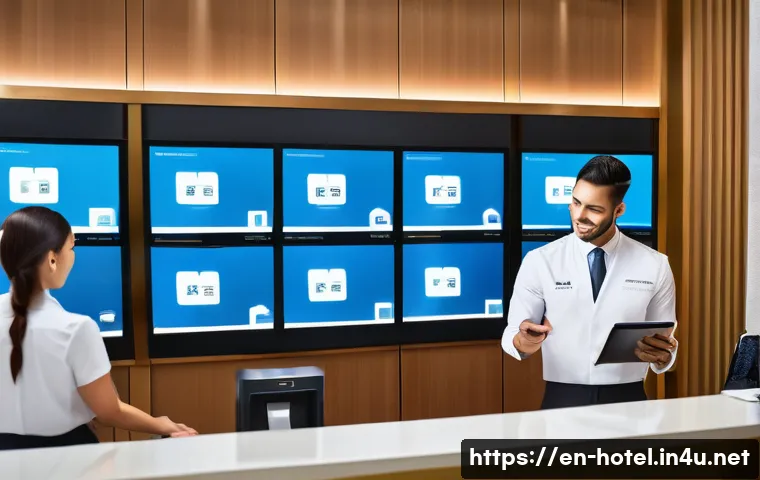
From my perspective, this approach reduces administrative overhead and helps new staff feel welcomed and prepared.
Background Checks and Credential Verification
Ensuring employee qualifications and safety compliance is easier with automated background checks integrated into hiring workflows. This not only speeds up the process but also mitigates risks associated with negligent hiring.
Consolidating Workforce Insights with Comprehensive Analytics
Visual Dashboards for Quick Decision Making
Dashboards provide a snapshot of key metrics like labor costs, turnover rates, and guest feedback scores. Having this data at your fingertips helps you spot trends and make informed decisions quickly.
I often rely on these visual tools to adjust staffing levels or identify departments needing support.
Customizable Reports Tailored to Hotel Needs
Every property has unique priorities. The ability to generate tailored reports means you can focus on what matters most—be it revenue per available room (RevPAR) or employee satisfaction indexes.
This flexibility has proven invaluable in aligning workforce strategies with business goals.
Predictive Analytics for Future Planning
Advanced analytics can forecast staffing needs, budget impacts, and turnover risks, allowing proactive management. Implementing predictive models helped one hotel chain I know reduce turnover by identifying at-risk employees and addressing their concerns early.
| Feature | Benefit | Impact on Hotel Operations |
|---|---|---|
| Automated Scheduling | Reduces conflicts and overtime | Improves staff satisfaction and coverage |
| Performance Dashboards | Clear KPIs and ongoing feedback | Boosts employee motivation and service quality |
| Time Tracking Integration | Accurate attendance and payroll | Minimizes errors and compliance risks |
| Recognition & Rewards | Enhances employee engagement | Decreases turnover rates |
| Applicant Tracking System | Speeds up recruitment process | Reduces vacancy periods |
| Analytics & Reporting | Data-driven decisions | Optimizes workforce planning |
Ensuring Seamless Integration Across Hotel Departments
Connecting Front Desk, Housekeeping, and Management
Integration between departments is crucial for smooth operations. Software that syncs data across front desk reservations, housekeeping schedules, and management dashboards eliminates silos and enhances communication.
I’ve seen how such integration enables real-time room status updates, ensuring guests experience timely check-ins and clean rooms.
Unified Communication Platforms
Centralized messaging systems embedded in HR tools foster quick collaboration and issue resolution. For example, a maintenance request can be instantly flagged to the right team member, speeding up fixes and minimizing guest complaints.
Scalability for Growing Properties
Whether you’re managing a small inn or a sprawling resort, scalable software adapts to your needs without forcing costly replacements. This flexibility means you can start simple and add features as your hotel expands, preserving your investment and operational consistency.
Supporting Compliance and Security in Employee Management
Data Privacy and Secure Employee Records
Handling sensitive employee information demands top-notch security. Modern HR systems employ encryption and strict access controls, giving managers peace of mind and ensuring compliance with privacy regulations such as GDPR or CCPA.
Protecting this data builds trust with your workforce.
Audit Trails and Regulatory Reporting
Comprehensive audit logs track changes and activities within the system, which is invaluable during inspections or legal reviews. Having ready access to accurate records simplifies reporting and demonstrates your commitment to ethical management.
Training on Compliance and Safety Standards
Built-in modules for mandatory training help ensure all employees complete certifications on time. This proactive approach reduces workplace incidents and supports a safe environment for both staff and guests.
I’ve seen hotels significantly cut down on compliance violations after adopting automated training reminders and tracking.
글을 마치며
Optimizing team scheduling with smart automation transforms hotel operations by enhancing efficiency, boosting employee satisfaction, and ensuring compliance. From real-time updates to predictive analytics, these tools empower managers to make informed decisions and create a harmonious work environment. Embracing technology not only streamlines daily tasks but also fosters a culture of engagement and growth among staff. As the hospitality industry evolves, integrating these smart solutions becomes essential for sustainable success.
알아두면 쓸모 있는 정보
1. Automated scheduling tools significantly reduce conflicts and overtime by aligning shifts with employee availability and hotel demand.
2. Continuous feedback systems outperform annual reviews by encouraging timely communication and ongoing performance improvements.
3. Integrated time tracking ensures payroll accuracy and helps maintain compliance with labor laws, reducing costly disputes.
4. Recognition features and career development paths play a crucial role in increasing employee engagement and lowering turnover rates.
5. Comprehensive analytics and customizable reports enable data-driven workforce planning that aligns with your hotel’s unique goals.
중요 사항 정리
Effective team scheduling relies on balancing employee preferences with operational needs to maintain coverage and morale. Real-time communication and demand forecasting prevent last-minute disruptions and optimize labor costs. Continuous performance tracking paired with targeted training enhances staff skills and motivation. Automating payroll and compliance safeguards your hotel from legal risks while improving accuracy. Lastly, fostering engagement through recognition and career growth, combined with seamless departmental integration and robust data security, creates a resilient and efficient workforce ready to meet guest expectations.
Frequently Asked Questions (FAQ) 📖
Q: How can HR software improve scheduling efficiency in hotels?
A: From my experience working with hotel teams, HR software drastically cuts down the headache of manual scheduling. These tools offer automated shift planning that considers employee availability, labor laws, and peak business hours.
This means managers spend less time juggling spreadsheets and more time focusing on guest services. Plus, when staff can view their schedules on their phones in real-time, last-minute changes become a breeze.
The result? Fewer scheduling conflicts, better coverage during busy periods, and happier employees who feel their time is respected.
Q: What features should I look for in hotel staff management software?
A: When choosing software, I always recommend focusing on a few key features that have proven invaluable in actual hotel operations. First, seamless integration with payroll systems is a must to avoid payroll errors and delays.
Second, performance tracking tools help managers identify star performers and areas where staff might need extra training. Third, mobile accessibility is crucial since hotel staff are often on the move.
Lastly, look for user-friendly interfaces—if the system is too complicated, your team won’t use it effectively. The right combination of these features ensures smoother management and ultimately enhances guest satisfaction.
Q: Can implementing HR software really impact guest satisfaction?
A: Absolutely. I’ve seen firsthand how efficient staff management translates into better guest experiences. When the right employees are scheduled for the right shifts, service runs more smoothly—think faster check-ins, prompt room service, and quicker issue resolution.
Efficient scheduling also reduces staff burnout, meaning employees are more engaged and motivated. Guests pick up on this positive energy, often leaving better reviews and returning in the future.
So investing in good HR software isn’t just about internal operations; it’s a direct investment in your hotel’s reputation and bottom line.