
Navigating the challenges of a hotel management written exam can feel overwhelming, especially with the industry constantly evolving post-pandemic. As travel bounces back and hospitality standards rise, staying ahead means mastering not just theory but practical insights.
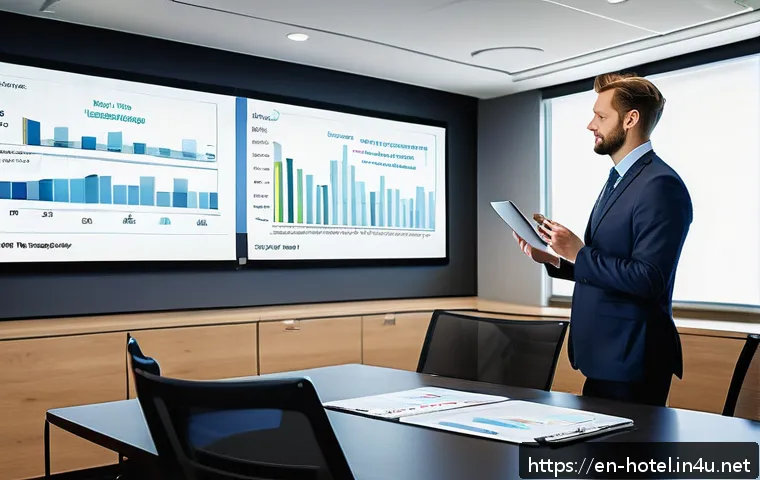
I’ve been through the grind and discovered study hacks that truly made a difference. If you’re aiming to boost your confidence and score high, these insider tips are tailored just for you.
Let’s dive into strategies that transformed my prep and can do the same for your success.
Mastering Core Hospitality Concepts for Exam Success
Understanding Hotel Operations Beyond the Textbook
Grasping the basics of hotel operations is essential, but I found that memorizing definitions alone doesn’t cut it. It’s crucial to visualize how departments interact daily—from front desk check-ins to housekeeping schedules.
When I connected theory with real-world flow, concepts stuck better. For example, knowing the front office’s role became clearer after imagining a guest’s entire arrival and stay.
This approach helped me anticipate questions that tested practical understanding, not just rote recall. Visual aids like flowcharts or diagrams can be a game-changer in making these connections vivid and memorable.
Financial Metrics and Their Real-World Impact
Hotel management exams often include financial topics like RevPAR (Revenue per Available Room) or GOP (Gross Operating Profit). Initially, these felt abstract until I related them to everyday hotel scenarios.
Thinking of RevPAR as a snapshot of how well a hotel fills and prices rooms brought the formula to life. During my prep, I created mini case studies where I calculated financial metrics using sample data.
This hands-on practice made complex calculations less intimidating and highlighted how financial health affects operational decisions. Remember, examiners want to see you understand the “why” behind numbers, not just the “how.”
Guest Experience and Service Excellence Fundamentals
Guest satisfaction is at the heart of hospitality, and exam questions reflect that. I realized that memorizing customer service principles wasn’t enough without appreciating their application.
Reflecting on past hotel stays, both good and bad, helped me internalize what makes service exceptional. During my study sessions, I role-played scenarios where I handled guest complaints or special requests.
This exercise built empathy and prepared me to answer situational questions confidently, showing examiners I can apply theory in real-life contexts.
Effective Time Management Strategies for Exam Day
Prioritizing High-Impact Study Areas
Not all topics carry equal weight, so focusing on high-yield subjects made my study time efficient. I reviewed past exams and identified frequently tested themes—like front office procedures and revenue management.
Concentrating on these areas first gave me confidence and a solid foundation. This approach prevented last-minute cramming and reduced anxiety because I knew I had covered the essentials thoroughly.
Using a study planner helped me allocate time effectively and track progress without feeling overwhelmed.
Simulating Exam Conditions to Build Stamina
One mistake I made early on was underestimating the exam’s length and pressure. To combat this, I timed myself taking full practice tests under quiet, distraction-free conditions.
These simulations improved my pacing and taught me to allocate time wisely between multiple-choice questions and written responses. After a few rounds, my endurance increased, and I felt less fatigued on exam day.
This technique also highlighted weaker areas I needed to revisit, making my final review more targeted.
Developing a Smart Question-Answering Technique
Approaching questions strategically can boost accuracy and confidence. I learned to quickly skim all questions first, marking those I felt confident about and flagging tricky ones for later.
This prevented me from getting stuck early on and wasting precious time. For written questions, outlining brief key points before writing helped organize my thoughts clearly.
This method ensured I covered all required elements and avoided rambling. Practicing this technique reduced careless mistakes and improved my overall score.
Leveraging Technology and Resources for Smarter Preparation
Using Online Platforms and Forums
The hospitality field is ever-changing, and tapping into current discussions on platforms like LinkedIn groups or hospitality forums provided fresh insights.
I joined communities where professionals share exam tips and industry updates, which kept my knowledge relevant. Engaging in these spaces allowed me to ask questions and learn from others’ experiences, which textbooks alone can’t offer.
This interactive learning boosted my motivation and helped me stay on track.
Incorporating Video Tutorials and Podcasts
Sometimes, reading can become monotonous, so I supplemented my study with videos and podcasts related to hotel management. Listening to experts discuss trends like sustainable tourism or guest personalization added depth to my understanding.
These formats were especially helpful during commutes or downtime, turning passive moments into productive study sessions. I recommend choosing content aligned with your syllabus to avoid information overload and maintain focus.
Customizing Flashcards for Quick Review
Creating flashcards with key terms, formulas, and concepts helped me consolidate knowledge and review efficiently. I personalized them by adding mnemonics or examples drawn from my own experiences, which made recall easier.
Carrying these cards around allowed me to squeeze in study bursts anywhere, whether waiting in line or during lunch breaks. This habit reinforced my learning and reduced exam-day jitters by keeping important info fresh in my mind.
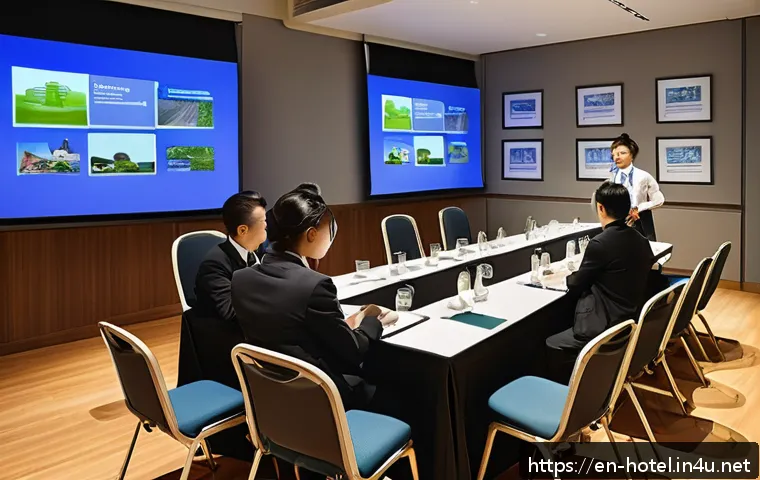
Building Confidence Through Practice and Reflection
Analyzing Mistakes to Strengthen Weak Points
Reviewing incorrect answers was one of the most valuable steps in my preparation. Instead of glossing over mistakes, I dug into why I got them wrong—whether it was misunderstanding a concept or misreading a question.
This reflection helped me avoid repeating errors and deepened my comprehension. Over time, this process turned weaknesses into strengths, which was crucial for boosting my confidence before the exam.
Seeking Feedback from Peers and Mentors
I found it incredibly helpful to discuss tricky topics with study partners or mentors who have industry experience. Their perspectives clarified confusing points and provided practical examples I hadn’t considered.
They also offered encouragement, which eased my nerves. If you can, find someone to quiz you or review your written answers. This interactive feedback loop can uncover blind spots and improve your articulation under pressure.
Maintaining a Positive Mindset and Managing Stress
Exam stress is real, but cultivating a calm and positive mindset made a big difference for me. Techniques like deep breathing, short breaks, and keeping a balanced routine helped me stay focused without burning out.
I reminded myself that the exam tests my readiness, not my worth. Visualizing success and celebrating small wins during prep kept motivation high. Remember, confidence often comes from consistent effort and self-compassion, not just last-minute cramming.
Understanding Industry Trends to Stay Ahead
Post-Pandemic Changes in Hotel Operations
The hospitality landscape has shifted dramatically since the pandemic, and exams now reflect these changes. Topics like enhanced hygiene protocols, contactless check-in, and flexible cancellation policies are increasingly common.
I made sure to study these trends by reading recent articles and official hotel guidelines. Knowing how the industry adapts showed examiners I’m prepared for current challenges, not just outdated practices.
Sustainability and Its Growing Importance
Sustainability is no longer optional in hospitality; it’s a core expectation. Exam questions often explore eco-friendly initiatives such as energy-saving measures, waste reduction, and community engagement.
I researched how hotels implement green certifications and incorporated this knowledge into my answers. Demonstrating awareness of sustainability initiatives signals that I’m aligned with future-forward hotel management, which can set me apart.
Technology’s Role in Enhancing Guest Experiences
From mobile apps to AI-driven concierge services, technology is revolutionizing guest interaction. Studying these innovations helped me understand how hotels improve efficiency and personalization.
I even experimented with a few popular hotel apps to get a user’s perspective. This hands-on experience enriched my responses and made abstract concepts tangible, showing examiners I grasp both the theory and practical implications.
Key Concepts and Study Tips Summary
| Study Focus | Strategy | Benefit |
|---|---|---|
| Hotel Operations | Visualize department workflows and use diagrams | Enhances understanding beyond memorization |
| Financial Metrics | Create mini case studies with calculations | Improves practical application of formulas |
| Guest Service | Role-play scenarios and reflect on experiences | Builds empathy and situational awareness |
| Time Management | Prioritize topics, simulate exam conditions | Increases efficiency and reduces fatigue |
| Resources | Use forums, videos, podcasts, flashcards | Supports diverse learning styles and engagement |
| Confidence Building | Analyze mistakes, get feedback, stress management | Strengthens knowledge and mental readiness |
| Industry Trends | Study post-pandemic protocols, sustainability, tech | Keeps knowledge current and relevant |
In Closing
Mastering core hospitality concepts requires more than memorization—it demands connecting theory with real-world practice. By combining effective study strategies with an understanding of industry trends, you can confidently approach your exam and future career. Remember, preparation is a journey of continuous learning and reflection. Stay curious, practice consistently, and trust in your growth.
Helpful Information to Keep in Mind
1. Focus on understanding how hotel departments work together daily rather than just memorizing definitions.
2. Apply financial metrics through practical examples to grasp their true impact on hotel operations.
3. Practice role-playing guest service scenarios to build empathy and improve your problem-solving skills.
4. Simulate exam conditions to improve time management and reduce test-day anxiety.
5. Leverage diverse resources like forums, podcasts, and flashcards to keep your study sessions engaging and effective.
Key Takeaways for Success
Grasping hospitality fundamentals means visualizing real operational flows and relating financial concepts to everyday hotel challenges. Prioritizing your study topics and practicing under exam-like conditions will enhance your efficiency and confidence. Engaging with current industry trends, such as sustainability and technology, ensures your knowledge stays relevant and competitive. Finally, reflecting on mistakes and seeking feedback strengthens both your understanding and mindset, paving the way for exam success and professional growth.
Frequently Asked Questions (FAQ) 📖
Q: uestions about Hotel Management Written Exam PreparationQ1: What are the most effective study techniques for passing a hotel management written exam?
A: From my experience, combining active recall with real-world case studies really solidified my understanding. Instead of just memorizing facts, I practiced applying concepts to scenarios like guest complaints or event planning.
Flashcards helped with definitions, but role-playing situations or discussing with peers brought the material to life. Also, breaking study sessions into focused 25-minute intervals kept me sharp without burnout.
This approach made the theory stick and boosted my confidence during the exam.
Q: How can I stay updated with the latest trends in hospitality post-pandemic for my exam?
A: The hospitality industry has shifted significantly, so staying current is key. I recommend subscribing to reputable hospitality journals, following industry leaders on social media, and attending webinars or virtual conferences when possible.
Reading recent articles about hygiene protocols, contactless services, and sustainability trends helped me answer exam questions with fresh insights. Additionally, connecting with professionals working in hotels gave me firsthand perspectives that textbooks often miss.
Q: What should I focus on to improve both theoretical knowledge and practical skills for the exam?
A: Balancing theory and practice made all the difference for me. Focus on mastering core concepts like revenue management, customer service excellence, and operational procedures, but don’t stop there.
Try to gain practical exposure through internships, simulations, or volunteering in hospitality settings. This hands-on experience helps you understand how theory translates into action, making your answers more nuanced and credible.
When writing exam responses, sharing examples from your experience can set you apart.