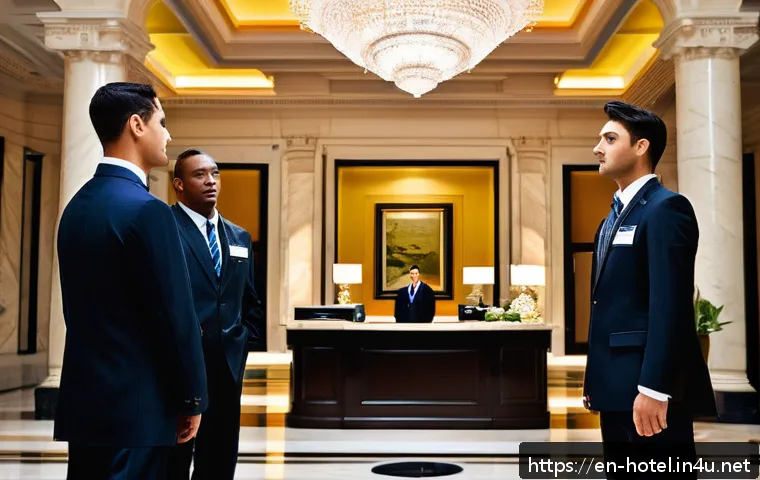
Stepping into the world of hospitality can be both exciting and nerve-wracking, especially when facing your hotel practical exam. With the industry evolving rapidly—think advanced guest services and tech-driven operations—being well-prepared has never been more crucial.
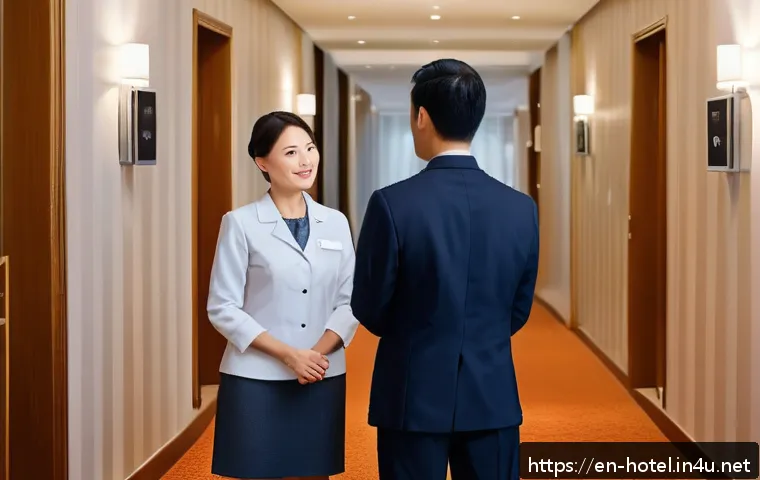
Whether you’re a student or a professional aiming to sharpen your skills, understanding what to expect and how to excel can make all the difference. In this post, I’ll share insider tips and real candidate stories that reveal the secrets behind mastering this essential test.
Stick around to discover strategies that not only boost your confidence but also set you apart in the competitive hospitality field.
Mastering Guest Interaction: The Heart of Hospitality
Understanding Guest Expectations
When it comes to hospitality, nothing beats the art of reading and meeting guest expectations. During my exam, I realized that anticipating what a guest might need before they even ask is a skill that sets you apart.
It’s not just about polite greetings; it’s about creating an experience that feels personal and attentive. I remember a scenario where a guest seemed hesitant about the room temperature.
Instead of waiting for a complaint, I offered to adjust the thermostat and suggested some local tips for weather-appropriate activities. That little bit of extra effort made the interaction smooth and memorable.
Being empathetic and proactive shows examiners you truly understand hospitality’s core—making guests feel valued.
Effective Communication Techniques
Clear and warm communication is key in the practical exam. I found that speaking confidently without sounding rehearsed helped build rapport quickly. For instance, using open-ended questions like “How can I assist you today?” invites guests to share more, which gives you a chance to tailor your response.
On the flip side, being a good listener is just as important—acknowledging guest concerns with nods or brief affirmations can make them feel heard. During my practice sessions, I noticed that mirroring a guest’s tone and pace subtly creates a natural connection, which the examiners definitely pick up on.
Handling Difficult Situations Gracefully
Nobody likes to imagine a guest complaint, but the exam often tests your ability to stay calm and solution-focused under pressure. I faced a mock scenario where a guest was upset about a delayed check-in.
Instead of getting flustered, I calmly apologized, explained the situation honestly, and offered a complimentary upgrade. This approach not only diffused tension but showed my problem-solving skills.
What I learned is that maintaining professionalism while showing genuine concern can turn a potential negative into a positive impression.
Polishing Front Desk Skills: Efficiency Meets Friendliness
Streamlining Check-In and Check-Out
During my practical exam, the check-in and check-out processes were timed, so efficiency was crucial. I practiced the steps until they felt second nature, but I also made sure to keep the interaction friendly.
A quick smile and a warm “Welcome back” at check-out can leave a lasting positive impression. One tip I found helpful was to confirm all details upfront—room type, payment method, and special requests—to avoid backtracking and delays.
This preparation helped me stay on track without seeming rushed or impersonal.
Mastering Reservation Systems
Technology plays a huge role in modern hospitality, and being comfortable with reservation software is a must. I spent hours familiarizing myself with common systems like Opera and Maestro, focusing on how to input data accurately and retrieve information quickly.
Mistakes with booking details during the exam can cost valuable points, so I double-checked everything before finalizing. The key is to stay calm and methodical—if you rush, errors creep in.
Confidence with the system translates into smoother guest experiences and higher marks.
Upselling Without Pressure
Upselling can feel tricky, especially in an exam setting where you want to impress but not annoy. I found that the best approach was subtle and genuine: highlighting benefits rather than pushing products.
For example, instead of saying, “Would you like to upgrade?” I’d say, “Our suites offer a great view and extra space if you’re interested.” This felt more like helpful advice than a sales pitch, and it worked well.
Practicing this balance beforehand helped me stay natural and authentic during the exam.
Impressing with Housekeeping and Maintenance Knowledge
Key Housekeeping Standards to Know
Even if your role is front-facing, understanding housekeeping basics is essential. During my exam, I was asked about the proper way to report room issues and how to handle guest requests for extra amenities.
Knowing the standard cleanliness checks and how to communicate with housekeeping staff efficiently made me feel more prepared. I’ve noticed that examiners appreciate candidates who show they can collaborate across departments, as it reflects real hotel operations.
Identifying and Reporting Maintenance Issues
Being able to spot potential maintenance problems and report them promptly is another skill that stood out in the exam. For example, if a guest mentions a flickering light or a leaking faucet, knowing the right protocol to escalate these issues ensures guest comfort isn’t compromised.
I made it a point to memorize typical maintenance workflows so I could answer confidently. This knowledge not only boosts your professionalism but also shows you’re ready to handle real-world challenges.
Coordinating with Other Departments
One thing I found particularly useful was learning how to communicate effectively with departments like housekeeping and maintenance. During the exam, you might be asked to draft a quick message or phone script to coordinate services.
Practicing polite, concise communication beforehand helped me nail this part. I realized that smooth interdepartmental cooperation is the backbone of excellent guest service and a critical skill examiners look for.
Navigating Safety and Emergency Procedures with Confidence
Understanding Fire Safety Protocols
Safety is non-negotiable in hospitality. My exam included questions about fire evacuation routes and how to assist guests calmly during emergencies. I studied the hotel’s fire safety plan thoroughly and practiced explaining it clearly.
What helped me was visualizing myself in the situation, which made my responses more natural and less textbook-like. Showing that you can stay composed and informative during emergencies is a huge plus.
Handling Medical Emergencies
Though rare, medical emergencies can happen anytime, and knowing how to respond is crucial. I learned basic first aid steps and the hotel’s protocol for contacting medical professionals.
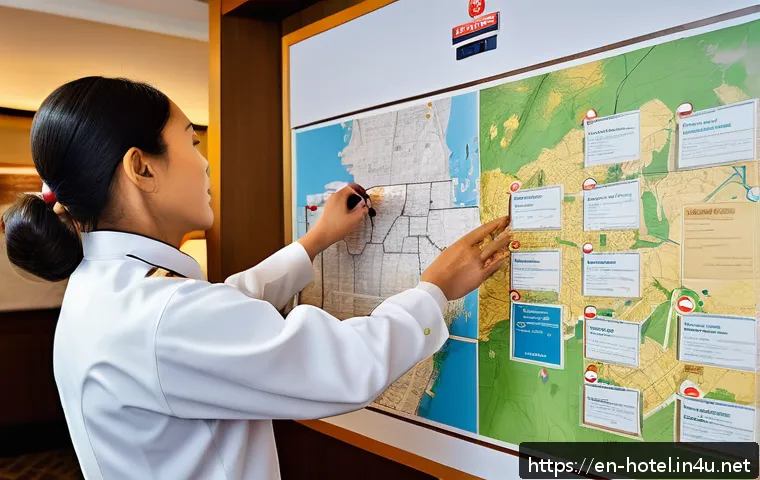
During the exam, I was given a scenario where a guest felt faint, and I had to explain the steps I’d take. Remaining calm and prioritizing guest safety while following procedures impressed the evaluators.
Having a clear action plan in your head beforehand really reduces panic.
Maintaining Security Awareness
Security isn’t just about locked doors; it’s about vigilance and guest privacy. I practiced how to verify guest identities politely and how to report suspicious behavior discreetly.
These tasks might seem small, but they demonstrate your responsibility and attention to detail. I found that staying alert while being friendly is a delicate balance, but it’s essential for building trust with guests and staff alike.
Developing a Professional Appearance and Demeanor
The Impact of Dress Code and Grooming
First impressions count, and your appearance is part of that. For my exam, I made sure my uniform was spotless, shoes polished, and hair neatly styled.
I also paid attention to subtle details like minimal jewelry and light makeup. This preparation not only boosted my confidence but signaled to examiners that I take the profession seriously.
A polished look sets the tone for professionalism and respect in hospitality.
Body Language and Attitude
Your nonverbal cues speak volumes. Smiling genuinely, making eye contact, and standing with an open posture helped me appear approachable and confident.
I practiced avoiding nervous habits like fidgeting or crossing arms, which can seem defensive. What I learned is that a positive attitude combined with calm body language can ease guest nerves and create a welcoming atmosphere.
During the exam, these subtle signals made a big difference in how I was perceived.
Maintaining Energy During Long Shifts
Hospitality can be physically and mentally demanding. I prepared for the exam by simulating long shifts, focusing on staying hydrated and taking brief mental breaks between tasks.
I also practiced deep breathing techniques to keep stress levels down. Being able to maintain a cheerful and professional demeanor, even when tired, is a skill that examiners value highly.
It shows resilience and dedication, qualities essential for success in the industry.
Practical Tips to Stay Calm and Focused
Preparation Through Mock Exams
One of the best ways I found to reduce exam anxiety was through repeated mock exams. Running through typical scenarios with friends or mentors helped me familiarize myself with the format and timing.
Each practice session revealed small areas to improve, whether it was a phrase to soften a response or a quicker way to navigate the booking system. This hands-on repetition built my confidence far more than just reading theory ever could.
Mindfulness and Breathing Techniques
Before and during the exam, I used simple mindfulness exercises to stay grounded. Deep, slow breaths helped calm my racing heart, and focusing on the present moment prevented my mind from spiraling into “what if” worries.
I recommend this to anyone feeling overwhelmed; it’s a quick and effective way to regain control. Staying calm not only improves performance but also lets your genuine personality shine through.
Learning From Feedback
After practice runs, I always sought detailed feedback. Sometimes it was tough to hear, but constructive criticism helped me identify blind spots. For example, one mentor pointed out that I sometimes spoke too quickly, which could confuse guests.
Working on pacing my speech made a noticeable difference. Embracing feedback with an open mind transforms preparation from a chore into a growth opportunity.
Summary of Essential Exam Components and Tips
| Exam Component | Key Skills | Helpful Tips |
|---|---|---|
| Guest Interaction | Empathy, active listening, problem-solving | Anticipate needs, use open-ended questions, stay calm under pressure |
| Front Desk Operations | Efficiency, reservation system proficiency, upselling | Practice software, confirm details, suggest upgrades naturally |
| Housekeeping & Maintenance | Basic standards, issue reporting, interdepartmental communication | Know cleanliness checks, follow protocols, communicate clearly |
| Safety Procedures | Fire, medical emergency handling, security awareness | Learn protocols, stay composed, prioritize guest safety |
| Professionalism | Appearance, body language, stamina | Maintain neat dress, positive demeanor, manage energy |
| Stress Management | Preparation, mindfulness, feedback acceptance | Use mock exams, practice breathing, learn from critiques |
In Conclusion
Mastering the essentials of hospitality goes beyond technical skills; it’s about genuine connection and thoughtful service. By practicing empathy, clear communication, and professionalism, you can confidently handle any situation. Remember, preparation and a positive attitude are your strongest assets. Embrace each challenge as a chance to grow and shine in this rewarding industry.
Helpful Insights to Remember
1. Anticipate guest needs by observing subtle cues and offering proactive solutions to create memorable experiences.
2. Use open-ended questions and active listening to build trust and customize your service effectively.
3. Familiarize yourself thoroughly with reservation systems to enhance efficiency and avoid costly mistakes.
4. Stay calm and composed during emergencies by knowing protocols and prioritizing guest safety above all.
5. Maintain a polished appearance and positive body language to convey confidence and professionalism throughout your shift.
Key Takeaways for Success
Understanding and meeting guest expectations is the foundation of excellent hospitality. Efficient front desk operations combined with smooth interdepartmental communication ensure seamless service delivery. Handling challenges gracefully reflects your problem-solving ability and emotional intelligence. Consistent professionalism, energy management, and stress control are vital for sustaining long-term success. Finally, continuous practice and openness to feedback transform skills from good to exceptional.
Frequently Asked Questions (FAQ) 📖
Q: uestions about Hotel Practical ExamsQ1: What are the most important skills to focus on for the hotel practical exam?
A: From my experience and talking to successful candidates, customer service skills top the list. You need to demonstrate genuine hospitality—think warm greetings, attentive listening, and quick problem-solving.
Technical skills like using reservation systems and handling check-ins efficiently also matter a lot. Practicing role-plays that simulate real guest interactions can boost your confidence and make you stand out.
Remember, examiners look for both professionalism and a friendly attitude.
Q: How can I manage exam day nerves and perform at my best?
A: It’s totally normal to feel nervous before the practical exam. What helped me was arriving early to get comfortable with the environment and doing some deep breathing exercises.
Visualize yourself successfully completing each task step-by-step—that mental rehearsal calms the mind. Also, don’t hesitate to ask clarifying questions if instructions aren’t clear; it shows you’re attentive.
Staying positive and treating the exam like a real hotel shift rather than a test made a huge difference in my performance.
Q: Are there any common mistakes to avoid during the hotel practical exam?
A: Absolutely. One frequent pitfall is rushing through tasks and missing important details like verifying guest information or properly explaining hotel amenities.
Another is failing to maintain professional body language—slouching or avoiding eye contact can give a bad impression. Also, over-reliance on scripts can make your interaction sound robotic.
Instead, aim for natural, personalized communication. Practicing with peers or mentors who can give honest feedback helps you identify and fix these mistakes before exam day.