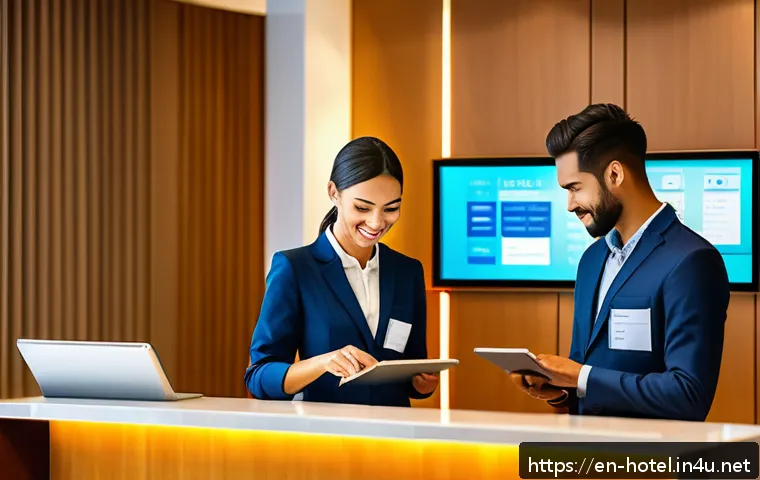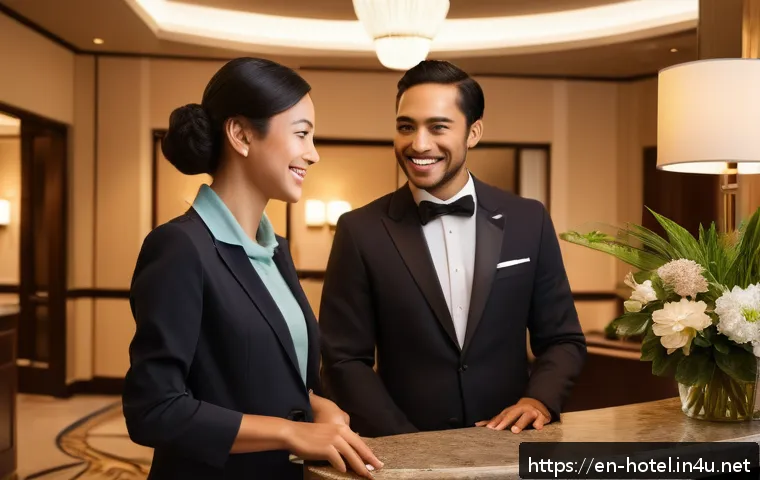
In today’s fast-paced hospitality world, staying ahead means understanding the real challenges and rewards behind the scenes. With travel bouncing back and guest expectations evolving rapidly, the role of hotel management has never been more dynamic or demanding.
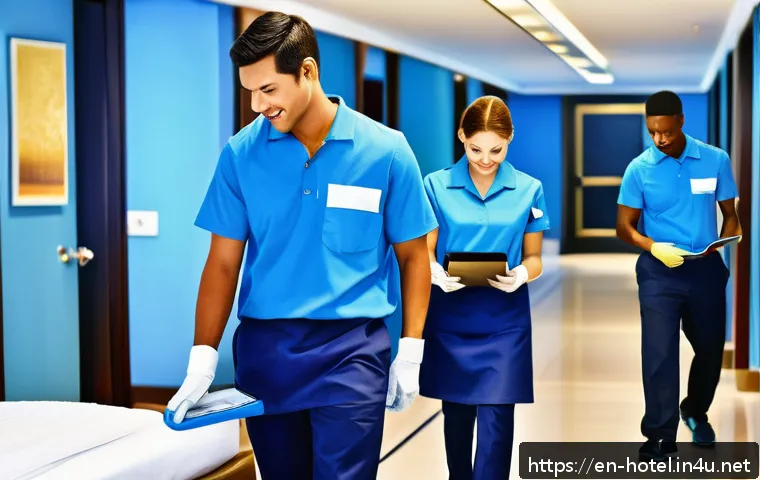
I’ve spent years navigating this vibrant industry, witnessing firsthand how small decisions can transform guest experiences and operational success. Join me as I share authentic insights from daily life in hotel management—offering a glimpse into the strategies, surprises, and stories that shape this exciting field.
Whether you’re a curious traveler or aspiring professional, there’s something here to inspire and inform your journey.
Mastering Guest Relations: Beyond the Welcome Smile
Anticipating Needs Before They Arise
In my years working on the front lines of hotel management, I quickly learned that exceptional guest service isn’t just about reacting—it’s about anticipating.
For example, if a guest checks in after a long flight, offering a complimentary late-night snack or a relaxing herbal tea without being asked often transforms their mood completely.
It’s these small, thoughtful touches that turn a good stay into a memorable one. I’ve seen guests become loyal customers simply because we noticed and responded to their unspoken needs.
Training staff to pick up on subtle cues—like fatigue, preferences mentioned casually, or even body language—has become a core part of our hospitality approach.
It’s less about scripts and more about genuine human connection.
Handling Complaints with Empathy and Swift Action
Nobody enjoys complaints, but I’ve found that how you handle them can actually deepen guest trust. I remember a situation where a guest was upset about noise from a nearby event.
Instead of just apologizing, we immediately offered a quieter room upgrade and complimentary dinner vouchers. The guest not only appreciated the quick resolution but also left a glowing review.
What I’ve noticed is that acknowledging frustration sincerely and acting fast diffuses tension faster than any rehearsed apology. Teaching staff to listen fully without interrupting and to empathize sincerely has been a game changer in improving guest satisfaction scores.
Building Long-Term Relationships Through Personalized Communication
Personalization doesn’t stop at check-in. Sending a follow-up message after checkout thanking guests for their stay, or noting special occasions like birthdays with a small gift, makes guests feel valued beyond their visit.
One of my favorite stories is about a couple who returned every anniversary because we remembered their preferences and surprised them with their favorite wine.
These ongoing gestures build emotional connections that no marketing campaign can buy. It’s about making guests feel like they’re part of a community, not just a transaction.
Optimizing Operations: Efficiency Meets Excellence
Streamlining Housekeeping Without Compromising Quality
Efficiency in housekeeping can make or break a hotel’s reputation. Early in my career, I observed how a poorly coordinated cleaning schedule delayed room readiness, frustrating guests waiting to check in.
We revamped our system by implementing real-time digital updates and prioritizing rooms based on expected arrival times. This change reduced room turnover time significantly while maintaining meticulous cleanliness standards.
The key was empowering housekeeping supervisors with the right tools and autonomy to adjust schedules dynamically. I’ve seen firsthand how a smooth-running housekeeping operation not only improves guest satisfaction but also reduces staff burnout.
Leveraging Technology to Enhance Guest Experience
From mobile check-ins to smart room controls, technology is reshaping hotel management every day. I’ve personally experimented with various platforms that allow guests to customize room temperature, lighting, or request services through an app.
Not only does this convenience impress tech-savvy travelers, but it also frees up front desk staff to focus on personalized service. However, the challenge is balancing automation with a warm, human touch.
Too much reliance on tech can feel impersonal, so the best results come from integrating technology that supports, rather than replaces, genuine interaction.
Managing Inventory and Supplies with Precision
Inventory management often flies under the radar, but it’s vital for smooth hotel operations. Early on, I noticed how overstocking linens and toiletries tied up capital unnecessarily, while understocking led to last-minute scrambles and guest dissatisfaction.
By implementing a just-in-time inventory system paired with regular audits, we found the sweet spot that kept costs down without risking shortages. Training procurement teams to forecast demand based on seasonality and event schedules also helped prevent waste and ensured availability.
This balance has saved thousands annually and improved operational reliability.
Team Leadership: Cultivating a Culture of Excellence
Fostering Open Communication and Collaboration
One lesson I’ve learned is that a hotel runs best when every team member feels heard and valued. In my experience, encouraging open dialogue during daily briefings uncovers hidden issues before they escalate.
For example, a housekeeper once mentioned a recurring maintenance problem with a room’s air conditioning, which we promptly fixed before guest complaints arose.
Creating an environment where staff can voice concerns or ideas without fear of judgment not only improves morale but also operational effectiveness. Leadership isn’t about authority—it’s about inspiring collaboration.
Investing in Continuous Training and Development
The hospitality industry evolves rapidly, and staying ahead means investing in people. I’ve seen firsthand how ongoing training programs, from customer service workshops to emergency response drills, empower staff to perform confidently under pressure.
Offering cross-training opportunities also builds flexibility within teams, allowing us to adapt smoothly during peak seasons or unexpected absences. Personally, I’ve found that recognizing and rewarding progress motivates employees to grow professionally, which in turn elevates the overall guest experience.
Recognizing and Managing Burnout
Hotel work can be demanding, and burnout is a real threat to team cohesion and service quality. Over the years, I’ve become attentive to signs like increased absenteeism, irritability, or declining performance.
Addressing burnout proactively means balancing workloads, encouraging breaks, and promoting mental health resources. I recall instituting a “wellness hour” policy during shifts, allowing staff to decompress briefly, which noticeably improved mood and productivity.
Supporting employees’ well-being isn’t just kind—it’s smart management that sustains excellence.
Revenue Management: Balancing Profit and Guest Satisfaction
Dynamic Pricing Strategies in a Competitive Market
One of the trickiest parts of hotel management is setting room rates that maximize revenue without alienating guests. I’ve found that using data-driven dynamic pricing—adjusting rates based on demand, local events, and competitor pricing—works best.
Early in my career, sticking to static prices meant missed opportunities during high-demand periods. Now, implementing flexible pricing tools allows us to capture more value while remaining competitive.
However, transparency is key; communicating the reasons behind price changes helps maintain guest trust.

Upselling and Cross-Selling Techniques That Feel Natural
Upselling can sometimes feel pushy, but when done right, it enhances the guest experience and boosts revenue. For instance, offering a room upgrade with added perks or suggesting spa services during check-in can feel like genuine recommendations rather than sales pitches.
I’ve coached front desk teams to listen first, then tailor offers based on guest preferences. This approach has increased ancillary revenue substantially without compromising guest comfort.
Analyzing Performance Metrics for Continuous Improvement
Tracking key performance indicators (KPIs) like average daily rate (ADR), occupancy rate, and revenue per available room (RevPAR) is essential. But I’ve learned that numbers tell only part of the story.
Combining quantitative data with qualitative feedback from guests and staff provides a fuller picture. Regularly reviewing these metrics in team meetings encourages collective problem-solving and innovation.
Here’s a quick summary of core revenue metrics we monitor:
| Metric | Definition | Why It Matters |
|---|---|---|
| Average Daily Rate (ADR) | Average revenue earned per occupied room | Measures pricing effectiveness |
| Occupancy Rate | Percentage of available rooms sold | Indicates demand and sales success |
| Revenue per Available Room (RevPAR) | Total room revenue divided by total available rooms | Combines occupancy and ADR for overall performance |
| Gross Operating Profit per Available Room (GOPPAR) | Profit after operating expenses per room | Shows profitability beyond revenue |
Adapting to Trends: Sustainability and Guest Expectations
Implementing Eco-Friendly Practices
Sustainability isn’t just a buzzword—it’s a growing expectation from guests and an ethical imperative. I’ve been involved in initiatives like reducing single-use plastics, installing energy-efficient lighting, and partnering with local suppliers to minimize carbon footprints.
These efforts have resonated well with environmentally conscious travelers and often become a selling point. Beyond marketing, these practices frequently lead to cost savings, proving that green initiatives can benefit both planet and profit.
Meeting the Demands of the Digital Nomad
With remote work surging, many hotels now cater to digital nomads seeking comfortable, long-term stays with reliable Wi-Fi and quiet workspaces. I’ve noticed that adapting room layouts and offering co-working areas has attracted this new segment.
Providing flexible check-in/out times and packages tailored for extended stays also helps. Understanding the unique needs of these guests allows us to stay relevant and competitive in a shifting travel landscape.
Embracing Diversity and Inclusion
Hospitality thrives on welcoming everyone, and fostering an inclusive environment is crucial. I’ve championed training that raises cultural awareness among staff and ensures accessibility for guests with disabilities.
Celebrating diverse holidays and offering multilingual services have enhanced guest comfort and broadened our appeal. Inclusivity isn’t just about compliance—it enriches the guest experience and reflects the global nature of modern travel.
Safety and Crisis Management: Preparedness is Key
Establishing Clear Emergency Protocols
Safety is foundational in hospitality. I’ve overseen the development of detailed emergency response plans covering fire, medical, and natural disasters.
Regular drills and staff training ensure readiness. In one instance, a prompt evacuation during a kitchen fire prevented injuries and property damage.
Clear signage, accessible exits, and communication systems are all part of maintaining a safe environment. Guests notice and appreciate visible commitment to their well-being.
Managing Health Protocols in a Post-Pandemic World
The pandemic reshaped hygiene standards forever. Implementing enhanced cleaning protocols, contactless check-ins, and social distancing measures became standard.
I’ve observed that transparent communication about these efforts reassures guests and builds confidence. Balancing safety with a welcoming atmosphere is challenging but essential.
Flexibility to adapt protocols as guidelines evolve keeps operations smooth and guests comfortable.
Handling Unexpected Guest Issues with Calm Efficiency
From lost luggage to medical emergencies, unpredictable situations arise daily. I’ve learned that staying calm, listening attentively, and coordinating quickly with relevant departments or external services is critical.
Documenting incidents thoroughly also helps improve future responses. The goal is to turn stressful moments into opportunities to demonstrate professionalism and care, leaving guests feeling supported even during difficulties.
In Conclusion
Mastering guest relations goes far beyond a simple greeting—it’s about understanding and anticipating needs with genuine care. Combining empathy, technology, and strong leadership creates a seamless experience that guests remember and return for. Continuous improvement and adapting to evolving trends ensure that hospitality remains both personal and efficient. Ultimately, it’s the heartfelt connections and attention to detail that set exceptional service apart.
Helpful Information to Keep in Mind
1. Anticipate guest needs by training staff to recognize subtle cues and preferences, turning ordinary stays into memorable experiences.
2. Handle complaints quickly and empathetically to build trust and turn negative moments into positive reviews.
3. Use technology thoughtfully—balance automation with personal interaction to enhance convenience without losing warmth.
4. Invest in your team through ongoing training and support to maintain high service standards and reduce burnout.
5. Monitor key performance metrics regularly and adjust strategies to optimize both guest satisfaction and revenue.
Key Takeaways
Successful hospitality management hinges on proactive guest engagement, efficient operations, and strong team leadership. Embracing sustainability and inclusivity strengthens brand reputation and meets modern guest expectations. Prioritizing safety and preparedness ensures trust and smooth handling of emergencies. Finally, blending data-driven decisions with authentic human connection drives lasting success in a competitive market.
Frequently Asked Questions (FAQ) 📖
Q: uestionsQ1: What are the biggest challenges hotel managers face today?
A: One of the toughest challenges is balancing rising guest expectations with operational constraints. Guests now expect seamless technology, personalized service, and exceptional cleanliness, all while hotels are managing tighter budgets and staffing shortages.
From my experience, adapting quickly to changing trends and maintaining team morale during busy seasons can make or break the guest experience.
Q: How can hotel management improve guest satisfaction effectively?
A: Small, thoughtful touches often have the biggest impact. Personally, I’ve seen how empowering front-line staff to resolve issues on the spot creates memorable stays and positive reviews.
Also, leveraging guest feedback to fine-tune services—whether that’s faster check-ins or customized amenities—builds loyalty. It’s about creating a genuine connection, not just ticking boxes.
Q: What skills are essential for someone wanting to succeed in hotel management?
A: Beyond industry knowledge, strong communication and problem-solving skills are crucial. I’ve found that emotional intelligence—understanding both guests and team members—is key to navigating daily surprises.
Flexibility and a proactive attitude help too, especially when unexpected challenges arise. Ultimately, passion for hospitality shines through and drives success.