Delivering exceptional service quality is the heartbeat of any successful hotel. In today’s competitive hospitality landscape, guests expect more than just a comfortable room—they seek personalized experiences that leave lasting impressions.

Managing service quality effectively involves a blend of attentive staff, streamlined processes, and continuous feedback loops. From first impressions at the front desk to the final check-out, every touchpoint matters.
Let’s dive in and explore how hotels can master service quality management to exceed guest expectations and build loyalty for the long haul. Stick around as we break it all down for you!
Creating Unforgettable First Impressions
The Power of Warm Welcomes
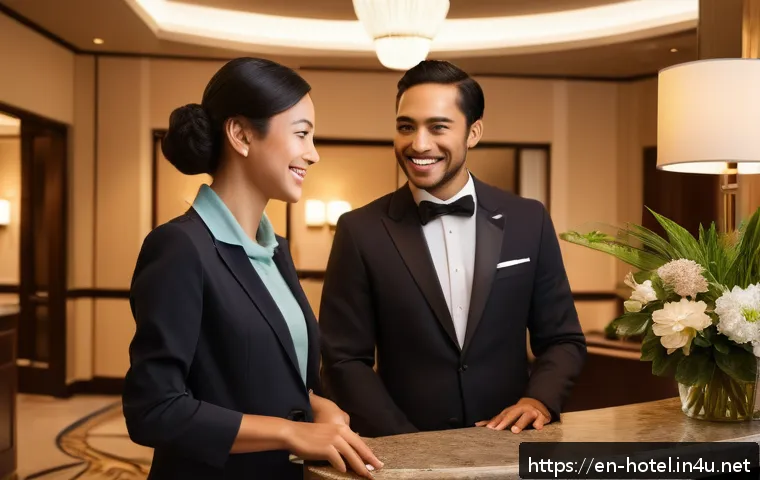
Nothing sets the tone for a guest’s stay quite like that initial greeting at the front desk. From my experience working with several hotels, a genuine smile paired with a quick, efficient check-in process can turn a tired traveler into a delighted guest instantly.
It’s not just about politeness; it’s about making the guest feel recognized and valued. Staff who remember names or preferences create a sense of belonging that guests won’t soon forget.
This emotional connection often translates into higher satisfaction scores and repeat visits.
Designing the Arrival Experience
Beyond the front desk, the arrival experience includes how guests are guided to their rooms and introduced to hotel amenities. I’ve noticed that hotels with clear signage, friendly bell staff, and a brief yet informative room orientation tend to receive better reviews.
Offering small touches like a welcome drink or personalized note can also elevate this moment. It’s about crafting a seamless transition from the outside world into a restful, enjoyable environment.
These details show guests that their comfort is the hotel’s priority right from the start.
Training for Consistency in Service
A key factor often overlooked is consistent training for all frontline employees. In my observations, inconsistency in greetings or assistance confuses guests and detracts from the overall experience.
Regular workshops and role-playing scenarios help staff anticipate guest needs and respond in a way that aligns with the hotel’s brand promise. This consistency reassures guests that no matter who assists them, the quality of service will remain top-notch throughout their stay.
Leveraging Technology to Enhance Guest Interactions
Streamlining Processes with Smart Tools
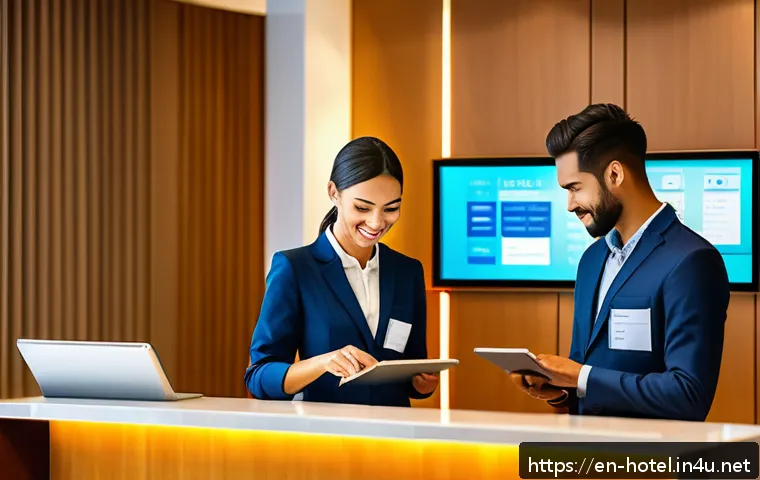
Technology is a game-changer when it comes to service quality. From mobile check-ins to digital room keys, these innovations reduce wait times and empower guests to control their experience.
I’ve seen how guests appreciate the flexibility of ordering room service or requesting housekeeping through apps. However, it’s crucial these tools are intuitive and glitch-free—nothing ruins a moment faster than a tech failure.
Hotels that invest in reliable systems often report higher guest engagement and satisfaction.
Personalization Through Data Analytics
Modern hotels gather a wealth of data from guest preferences, booking history, and feedback. When leveraged properly, this information allows staff to personalize recommendations and services.
For example, a returning guest who enjoys spa treatments might receive tailored offers during their stay. In my experience, personalization not only boosts guest happiness but also increases ancillary revenue.
Of course, respecting privacy and securing data is non-negotiable to maintain trust.
Balancing Human Touch with Automation
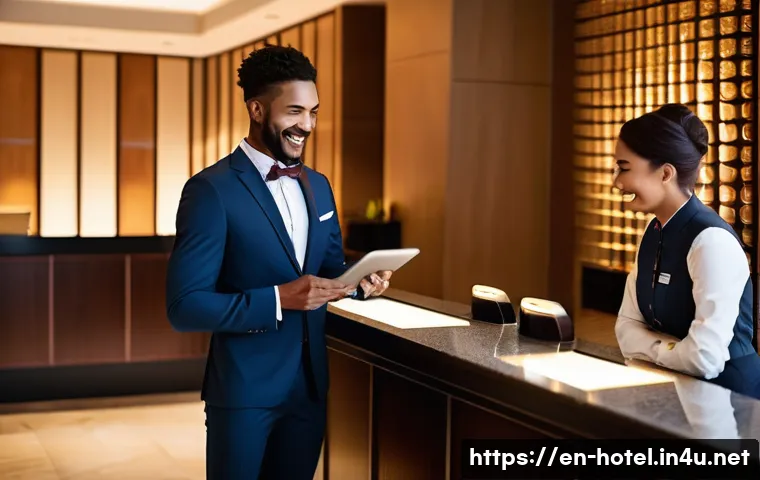
While technology offers convenience, it can’t replace the warmth of human interaction. The best hotels strike a balance by automating routine tasks and freeing staff to focus on meaningful guest engagement.
I recall a hotel where robotic luggage carriers handled bags efficiently, allowing bellhops to spend more time answering questions and sharing local tips.
This blend of tech and human touch creates a memorable and comfortable stay, making guests feel cared for rather than just processed.
Empowering Staff to Deliver Excellence
Creating a Culture of Ownership
Exceptional service starts with employees who feel empowered and valued. From what I’ve witnessed, when staff are encouraged to take initiative and solve problems without excessive bureaucracy, guest experiences improve dramatically.
Simple gestures like allowing front desk agents to offer upgrades or discounts when appropriate can turn a potential complaint into a loyal customer. Empowerment also boosts morale and reduces turnover, which benefits the hotel in the long run.
Ongoing Training and Development
Investing in regular training not only sharpens skills but also fosters a sense of pride and professionalism. I’ve seen hotels that provide continuous learning opportunities—ranging from language classes to conflict resolution workshops—stand out in guest reviews.
Well-trained staff handle challenges gracefully and adapt to diverse guest needs, which is critical in today’s multicultural travel environment. This commitment to growth reflects the hotel’s dedication to quality service.
Recognizing and Rewarding Performance
Motivation thrives on recognition. From my conversations with hospitality managers, acknowledging employees’ hard work through awards, bonuses, or simple thank-you notes creates a positive workplace atmosphere.
When staff see their efforts appreciated, they’re more likely to go the extra mile for guests. This ripple effect directly impacts service quality and guest satisfaction, making recognition programs a smart investment for hotels aiming for excellence.
Mastering Guest Feedback to Drive Improvements
Encouraging Honest and Timely Feedback
Guests often hesitate to share negative experiences during their stay, so hotels must proactively seek feedback in a way that feels safe and convenient.
In my experience, follow-up emails, in-app surveys, and quick post-checkout questionnaires work well when they are short and focused. Encouraging honest opinions helps uncover hidden issues before they escalate, allowing staff to address concerns promptly and demonstrate genuine care.
Analyzing Feedback to Identify Trends
Collecting feedback is only the first step; the real value lies in analyzing it for patterns. I’ve noticed that hotels that invest in data analytics to track recurring complaints or praise can make targeted improvements.
For example, if multiple guests mention slow Wi-Fi, the hotel can prioritize upgrading infrastructure. This proactive approach signals to guests that their voices matter and that the hotel is committed to continuous enhancement.
Closing the Loop with Guests
Responding to feedback is as important as gathering it. I’ve observed that hotels which follow up with guests—thanking them for compliments or apologizing and offering solutions for issues—build stronger relationships.
This “closing the loop” process transforms one-time visitors into brand advocates. Moreover, publicly addressing feedback on review platforms shows transparency and dedication, which can positively influence potential guests researching the hotel.
Designing Service Processes for Seamless Experiences
Mapping the Guest Journey
Understanding every interaction a guest has with the hotel is essential for delivering smooth service. I recommend mapping the guest journey from reservation to post-checkout, identifying key touchpoints and potential pain points.
This holistic view helps management design processes that reduce friction, such as minimizing wait times at check-in or streamlining room service delivery.
When the journey feels effortless, guests are more likely to relax and enjoy their stay.
Standardizing Procedures While Allowing Flexibility
Standard operating procedures ensure consistency, but rigid rules can sometimes hinder personalized service. Based on my observations, successful hotels maintain clear guidelines yet empower staff to adapt to individual guest needs.
For instance, while there may be a set protocol for handling complaints, employees should feel free to make exceptions when warranted. This balance between standardization and flexibility enhances guest satisfaction without sacrificing efficiency.
Utilizing Cross-Department Collaboration
Service quality often depends on how well different hotel departments communicate and work together. In my experience, hotels that foster strong collaboration between housekeeping, front desk, food and beverage, and maintenance teams resolve issues faster and provide more cohesive experiences.
Regular interdepartmental meetings and shared communication platforms help keep everyone aligned, ensuring guests receive timely responses and consistent service throughout their stay.
Measuring Service Quality to Sustain Excellence
Tracking Key Performance Indicators (KPIs)
To maintain high standards, hotels must measure service quality through relevant KPIs. From guest satisfaction scores to average response times, these metrics provide actionable insights.
I’ve seen that combining quantitative data with qualitative feedback creates a fuller picture of performance. Regularly reviewing KPIs enables management to identify successes and areas needing improvement, fostering a culture of accountability and continuous growth.
Benchmarking Against Industry Standards
Comparing performance with peer hotels and industry benchmarks helps set realistic goals. I’ve observed that hotels participating in quality certification programs or mystery guest audits often outperform competitors by adhering to best practices.
Benchmarking not only motivates staff but also reassures guests that the hotel meets or exceeds recognized standards, enhancing trust and reputation.
Implementing Continuous Improvement Cycles
Service quality isn’t a one-time achievement but an ongoing process. I recommend adopting a Plan-Do-Check-Act (PDCA) cycle, where hotels plan improvements, implement changes, evaluate results, and adjust accordingly.
This dynamic approach keeps the hotel agile in responding to evolving guest expectations and market trends. It’s a strategy I’ve personally seen transform average properties into beloved destinations.
Effective Communication Strategies with Guests
Personalized Messaging Pre-Arrival
Engaging guests before they even set foot in the hotel sets a positive tone. Sending personalized emails or messages with details about their upcoming stay, local events, or special offers shows attentiveness.
From my experience, these communications make guests feel anticipated and valued, increasing excitement and reducing uncertainty. Tailoring messages based on guest profiles elevates this effect further.
Clear and Friendly On-Site Communication
Throughout the stay, clear communication is vital. I’ve noticed that staff who use approachable language and avoid jargon create more comfortable interactions.
Whether explaining hotel policies or suggesting dining options, clarity combined with warmth builds rapport. Visual aids like digital screens or printed maps also assist guests in navigating services without frustration.
Post-Stay Follow-Up for Relationship Building
After checkout, reaching out to thank guests and invite feedback reinforces the connection. I’ve found that personalized thank-you notes or exclusive offers for future visits encourage loyalty.
This follow-up shows that the hotel cares beyond the immediate transaction, fostering a lasting relationship that benefits both parties.
| Aspect | Best Practice | Expected Benefit |
|---|---|---|
| First Impressions | Warm greeting, efficient check-in, personalized welcome | Higher guest satisfaction, repeat visits |
| Technology Use | Mobile check-in, data-driven personalization, balanced automation | Faster service, tailored experiences, improved engagement |
| Staff Empowerment | Ownership culture, ongoing training, recognition programs | Motivated employees, consistent excellence |
| Guest Feedback | Proactive collection, trend analysis, follow-up communication | Early issue resolution, stronger guest relationships |
| Process Design | Guest journey mapping, flexible SOPs, cross-department collaboration | Seamless experience, quicker problem-solving |
| Quality Measurement | KPI tracking, benchmarking, continuous improvement cycles | Accountability, sustained high standards |
| Communication | Personalized pre-arrival, clear onsite messaging, post-stay follow-up | Enhanced guest comfort, loyalty building |
In Conclusion
Creating exceptional guest experiences starts with thoughtful first impressions and extends through every interaction during their stay. By blending warm hospitality, smart technology, and empowered staff, hotels can build lasting relationships with guests. Continuously listening to feedback and refining processes ensures service excellence becomes a consistent hallmark. Ultimately, these efforts transform ordinary visits into memorable journeys guests are eager to repeat.
Useful Information to Keep in Mind
1. A sincere and efficient welcome sets the foundation for positive guest perceptions and repeat business.
2. Leveraging technology should enhance convenience without sacrificing the personal touch.
3. Empowering employees with training and recognition motivates them to deliver exceptional service.
4. Proactively gathering and analyzing guest feedback helps address issues before they escalate.
5. Clear communication at every stage—from pre-arrival to post-stay—strengthens guest loyalty and satisfaction.
Key Takeaways
Consistent, personalized service is the cornerstone of guest satisfaction and loyalty. Investing in staff development, embracing technology thoughtfully, and maintaining open channels for feedback all contribute to seamless and memorable experiences. Hotels that prioritize these elements not only meet but exceed guest expectations, ensuring their brand stands out in a competitive market.
Frequently Asked Questions (FAQ) 📖
Q: How can hotels ensure personalized experiences for their guests?
A: Hotels can create personalized experiences by training staff to recognize and remember guest preferences, using guest data to tailor services, and offering customized amenities or recommendations.
For example, noting a guest’s favorite room type or dietary restrictions helps staff anticipate needs, making guests feel valued and understood. Implementing technology like CRM systems also supports personalization by providing staff with real-time insights to enhance interactions.
Q: What role does continuous feedback play in maintaining high service quality?
A: Continuous feedback is crucial because it allows hotels to identify strengths and areas for improvement in real time. By encouraging guests to share their experiences through surveys, reviews, or direct communication, hotels can promptly address issues and adapt their services accordingly.
From my experience, hotels that actively listen and respond to feedback tend to build stronger guest trust and loyalty, leading to repeat visits and positive word-of-mouth.
Q: How can hotels manage service quality throughout the entire guest journey?
A: Managing service quality from check-in to check-out involves consistent staff training, clear communication, and efficient operational processes. Every touchpoint—whether it’s the front desk greeting, housekeeping, room service, or the checkout process—should reflect the hotel’s commitment to excellence.
In practice, this means empowering employees to solve problems on the spot and ensuring seamless coordination between departments. When done well, guests feel cared for at every step, which significantly boosts satisfaction and loyalty.