Wow, landing that dream job in a fantastic hotel is such an exciting milestone, isn’t it? I remember the thrill of starting out, full of energy and ready to conquer the world!
But, let’s be real, once the initial glow fades, you start thinking, “What’s next for my career?” The hospitality industry is constantly evolving, with new technologies like AI and personalized guest experiences taking center stage, and a huge emphasis on sustainability and cultural competence emerging as critical skills for 2025 and beyond.
It’s no longer enough to just excel at your current role; you need a proactive strategy to navigate this dynamic landscape, ensuring you’re not just employed, but truly thriving and building a fulfilling career.
From my own journey and seeing countless colleagues grow, I’ve learned that strategic career management, continuous learning, and adapting to these future trends are absolute game-changers for moving up the ladder.
Ready to turn your hotel job into an extraordinary career adventure? Let’s dive into the ultimate strategies for managing your career in the ever-exciting world of hospitality and truly make your mark!
Navigating the Digital Transformation in Hospitality
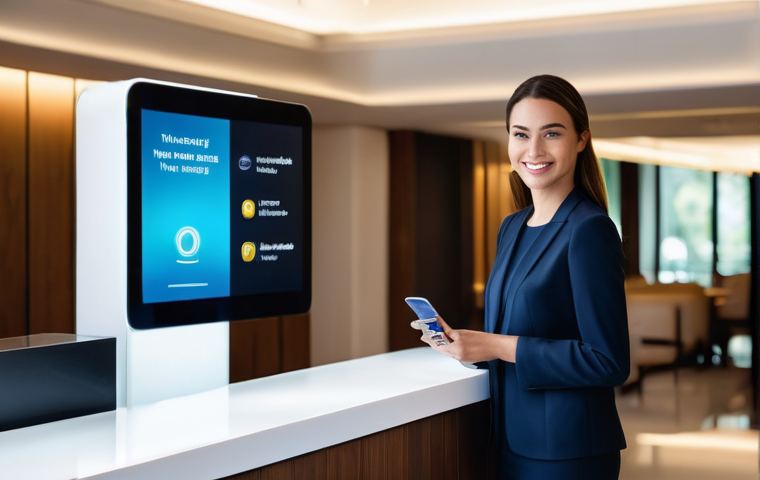
The hospitality world, much like everything else, is buzzing with technological advancements. It’s not just about flashy apps anymore; we’re talking about deep-seated changes that are reshaping how we interact with guests and manage operations.
I’ve personally seen how a hotel that truly embraces technology can leapfrog its competition, offering seamless experiences that guests rave about. Think about the guest who checks in with their phone, gets a personalized welcome message from the GM, and finds their room temperature already set just how they like it – that’s the future, and it’s already here.
For us, working on the ground, this means understanding these tools isn’t just a bonus; it’s absolutely essential. We need to be curious, ask questions, and genuinely try to integrate these innovations into our daily tasks.
It’s not just about learning how to use a new system; it’s about understanding the *why* behind it and how it elevates the guest journey. This proactive approach not only makes our jobs easier but also positions us as forward-thinkers, ready for the next big wave in the industry.
I remember feeling a bit overwhelmed when our property first introduced a new AI-powered chatbot for guest inquiries, but after a few weeks of getting my hands dirty, I realized how much it freed up my time for more meaningful guest interactions.
Leveraging AI and Automation for Efficiency
AI isn’t just a buzzword; it’s rapidly becoming the backbone of efficient hotel operations. From predictive analytics that forecast occupancy rates to AI-driven chatbots that handle routine guest queries, these tools are designed to streamline workflows and free up our valuable time for high-touch interactions.
I’ve found that embracing these automated systems, rather than fearing them, makes a massive difference. For instance, our concierge team now uses an AI assistant to quickly pull up local recommendations based on guest preferences, which means we spend less time searching and more time making genuine connections.
It’s all about working smarter, not harder.
- Familiarize yourself with property management systems (PMS) and customer relationship management (CRM) software that incorporate AI.
- Understand how AI-powered tools can personalize guest communication and service delivery.
- Participate in training sessions to master new technologies as they are introduced.
Personalizing Guest Experiences with Data
Data is the new currency in hospitality, allowing us to move beyond generic service to truly personalized experiences. Think about it: when a guest feels seen and understood, their loyalty skyrockets.
I’ve learned that paying attention to guest preferences, whether it’s their favorite type of coffee or their preferred newspaper, and then logging that data (where appropriate and with consent, of course!), can transform a good stay into an unforgettable one.
It’s about creating those ‘wow’ moments. Many hotels are now using advanced analytics to anticipate guest needs even before they articulate them, from offering specific amenities to suggesting local activities perfectly tailored to their interests.
Being skilled at both collecting and interpreting this data is a huge asset.
Mastering the Art of Guest-Centric Service
Providing exceptional service isn’t just about being polite; it’s about anticipating needs, solving problems before they escalate, and creating memorable emotional connections.
In my years, I’ve come to realize that while the grand gestures are nice, it’s often the small, thoughtful details that truly resonate with guests. The way you remember a guest’s favorite drink, or how you intuitively know they might need an extra towel without them asking – these are the hallmarks of a true hospitality professional.
This level of service isn’t something you can fake; it comes from a genuine desire to make someone’s day better. It’s a craft that requires constant refinement and a deep understanding of human psychology, knowing when to step in and when to give space, when to offer a solution, and when to just listen.
We’re not just providing a room; we’re crafting an experience, a memory that will hopefully bring them back again and again.
Beyond the Smile: Proactive Service Excellence
True service excellence goes far beyond a friendly smile. It involves a proactive approach to anticipate guest needs and resolve potential issues before they even arise.
I’ve found that actively listening to subtle cues, observing body language, and asking open-ended questions can give you invaluable insights into a guest’s unspoken desires.
For example, noticing a guest struggling with luggage as they approach the entrance and immediately offering assistance, or overhearing a comment about a cold room and sending up a heater without being prompted.
These are the moments that truly differentiate us and create a lasting positive impression. It’s about thinking several steps ahead, constantly looking for opportunities to elevate their experience.
Developing Emotional Intelligence and Empathy
In an industry built on human connection, emotional intelligence (EQ) and empathy are non-negotiable. Being able to understand and share the feelings of others, whether they’re delighted, stressed, or frustrated, allows us to respond authentically and effectively.
I’ve learned that a deep sense of empathy helps you navigate challenging guest interactions with grace and turn a potentially negative situation into a positive one.
It’s not just about following scripts; it’s about reading the room, understanding the underlying emotion, and responding with genuine care. This is a skill you cultivate over time, through countless interactions, learning to put yourself in someone else’s shoes.
- Practice active listening to truly hear and understand guest concerns.
- Learn to read non-verbal cues and adapt your approach accordingly.
- Develop resilience and emotional regulation to manage stress effectively in demanding situations.
Embracing Sustainability and Ethical Practices
It’s no secret that guests, especially the younger generations, are increasingly conscious of their environmental footprint and the ethical practices of the businesses they support.
What was once a niche concern is now front and center, shaping booking decisions and brand loyalty. I’ve noticed a significant shift in guest expectations; they’re not just looking for comfort, but for a hotel that aligns with their values.
Working in a hotel that actively champions sustainability initiatives makes me incredibly proud, and I’ve seen firsthand how positively guests react to tangible efforts like reducing plastic waste or sourcing local produce.
It’s about doing good for the planet and the community, which in turn, is good for business. Being part of this movement is not just a job requirement; it’s a personal commitment to a better future, and it makes every interaction feel more meaningful.
We have a real opportunity to be ambassadors for change.
Becoming a Green Hospitality Champion
As hospitality professionals, we have a unique opportunity to contribute to a more sustainable future. Becoming a “green champion” in your role means actively participating in and advocating for environmentally friendly practices within your hotel.
This could involve promoting linen reuse programs, encouraging guests to conserve water, or ensuring proper recycling protocols are followed. I’ve found that even small actions, when multiplied across hundreds of guests and staff, can have a significant impact.
It’s about integrating sustainable thinking into every aspect of our work, from reducing energy consumption to minimizing food waste.
- Identify and suggest areas where your department can reduce its environmental impact.
- Educate guests about the hotel’s sustainability initiatives in a positive and engaging way.
- Participate in green committees or volunteer for sustainability projects within the property.
Understanding Ethical Sourcing and Community Impact
Beyond environmental considerations, ethical sourcing and positive community impact are becoming critical aspects of responsible hospitality. Guests are asking more questions about where their food comes from, how staff are treated, and what contributions the hotel makes to the local economy.
I personally feel a stronger connection to my work knowing that our hotel prioritizes sourcing ingredients from local farms and supports community charities.
Understanding your hotel’s supply chain and its engagement with local communities is vital. This knowledge not only allows you to answer guest questions authentically but also helps you become an advocate for ethical practices.
It’s about building a business that not only serves guests but also uplift its surroundings.
Cultivating a Growth Mindset and Lifelong Learning
The moment you think you know it all in hospitality is the moment you start falling behind. This industry is a dynamic, ever-evolving beast, and what was cutting-edge yesterday might be obsolete tomorrow.
I truly believe that cultivating a growth mindset – the belief that your abilities can be developed through dedication and hard work – is your secret weapon for long-term success.
It means looking at challenges not as roadblocks, but as opportunities to learn something new, to adapt, to innovate. I’ve seen colleagues who stagnated because they resisted change, and others who soared because they eagerly embraced every new trend, every new piece of software, every new guest demographic.
Staying curious, asking questions, and actively seeking out new knowledge isn’t just about career progression; it’s about staying passionate and engaged with your work.
Identifying Key Skills for Tomorrow’s Leader
To thrive in the future of hospitality, it’s crucial to identify and develop the skills that will be most in demand. Beyond traditional hospitality skills, future leaders will need to excel in areas like data literacy, digital fluency, change management, and cross-cultural communication.
I’ve made it a point to regularly assess my own skill set against industry trends and proactively seek out opportunities to bridge any gaps. For instance, I recently took an online course in data analytics because I realized how crucial it is for understanding guest behavior and market trends.
It’s about being strategic with your learning and focusing on what will truly give you an edge.
Continuous Learning: Online Courses and Certifications
The beauty of today’s world is that learning opportunities are literally at your fingertips. From free online courses to industry-recognized certifications, there are countless ways to enhance your knowledge and skills without even leaving your home.
I’ve found that investing in professional development, whether it’s a course on revenue management or a certification in sustainable tourism, pays dividends.
Not only does it make you more competent in your current role, but it also signals to your superiors that you’re serious about your career trajectory.
It’s about taking ownership of your professional growth and showing initiative.
- Explore platforms like Coursera, edX, or industry-specific associations for relevant courses.
- Consider certifications from reputable bodies like the American Hotel & Lodging Educational Institute (AHLEI).
- Dedicate a few hours each week to learning, even if it’s just reading industry publications.
| Skill Category | Key Competencies | Why It Matters |
|---|---|---|
| Digital Literacy | Proficiency with AI tools, PMS, CRM, data analytics platforms, online booking engines. | Essential for efficient operations, personalized guest experiences, and competitive advantage. |
| Emotional Intelligence | Empathy, active listening, conflict resolution, cultural sensitivity, stress management. | Crucial for high-touch guest service, effective team collaboration, and leadership. |
| Sustainability Mindset | Understanding eco-friendly practices, ethical sourcing, waste reduction, community engagement. | Meets growing guest demand, reduces operational costs, and enhances brand reputation. |
| Adaptability & Resilience | Flexibility in changing environments, problem-solving under pressure, embracing new technologies. | Navigating unforeseen challenges and industry shifts, maintaining high performance. |
| Cross-Cultural Communication | Fluency in multiple languages (where applicable), understanding diverse cultural norms, global awareness. | Enhances guest satisfaction from international travelers and fosters diverse teams. |
Building Your Personal Brand in the Industry
In a bustling industry like hospitality, it’s easy to feel like just another face in the crowd. But trust me, you are so much more than your job title!
Building a strong personal brand is about showcasing your unique talents, your passions, and what makes you an invaluable asset to any team. It’s about intentionally curating the perception others have of you, both within your organization and across the wider industry.
I’ve realized that simply doing a good job isn’t always enough; you need to actively communicate your successes, share your insights, and connect with people who can open doors to new opportunities.
This isn’t about bragging; it’s about strategically positioning yourself for the next big step in your career. It’s like being a lighthouse in the fog – you need to shine bright so others can see your worth.
Networking Beyond Your Department
Don’t just stick to the people you work with every day! I’ve learned that some of the most impactful connections I’ve made have been with colleagues in other departments, or even at other properties.
Reach out to the F&B manager if you’re in front office, or connect with the sales team if you’re in housekeeping. Understanding how different parts of the hotel operate and building relationships across the board not only broadens your perspective but also creates a robust internal network.
These connections can be incredibly valuable for mentorship, collaboration, and even future career opportunities. Attend industry events, join professional associations, and don’t be shy about striking up conversations with new faces.
Showcasing Your Expertise Online and Offline
In today’s digital age, your personal brand extends far beyond the hotel walls. A professional online presence, particularly on platforms like LinkedIn, is absolutely crucial.
Share insightful articles, comment on industry discussions, and highlight your achievements. But don’t forget the power of offline presence too! Present at internal meetings, volunteer for special projects, or even mentor newer colleagues.
These actions demonstrate your expertise and commitment. I started sharing quick tips about guest service on my LinkedIn, and I was genuinely surprised by the positive feedback and new connections it brought.
It’s about consistently showing up and demonstrating your value to a wider audience.
Unlocking Leadership Potential and Mentorship
Every single one of us has leadership potential simmering beneath the surface, waiting for the right moment to ignite. It’s not just about managing a team; it’s about influencing others, taking initiative, and inspiring those around you to achieve shared goals.
I vividly remember feeling hesitant to voice my ideas early in my career, but I quickly learned that silence gets you nowhere. Stepping up, even in small ways, can open doors you never knew existed.
Leadership in hospitality is incredibly nuanced; it’s about being both a guide and a supporter, someone who empowers their team to shine. And let me tell you, there’s nothing quite as rewarding as seeing someone you’ve mentored grow and succeed.
It’s a cyclical process – the more you give, the more you grow yourself.
Stepping Up: Taking Initiative and Leading Projects
Don’t wait for permission to lead; look for opportunities to take initiative. Volunteer to head up a new project, suggest improvements to existing procedures, or offer to train new hires.
These are invaluable chances to demonstrate your leadership capabilities and proactive approach. I once volunteered to organize a cross-departmental training on a new software, and while it was a lot of work, it significantly boosted my visibility and proved I could manage a complex task effectively.
It shows your commitment and your ability to drive results beyond your immediate job description, which is exactly what senior management is looking for.
Finding and Being a Mentor
Mentorship is a powerful accelerator for career growth. Seek out experienced professionals in your hotel or the broader industry whom you admire and respect.
A good mentor can provide invaluable advice, guidance, and support, helping you navigate challenges and identify opportunities. But also, consider becoming a mentor yourself!
Even if you’re relatively early in your career, you have knowledge and experience that can benefit someone newer to the field. I’ve found that mentoring others has not only helped them but has also solidified my own understanding of various processes and leadership principles.
It’s a fantastic way to develop your coaching skills and give back to the hospitality community.
- Proactively seek out senior colleagues who could serve as mentors.
- Be specific about what you hope to gain from a mentorship relationship.
- Once you gain experience, offer to mentor junior staff members to hone your leadership skills.
Strategizing for Financial Freedom and Industry Longevity
Let’s talk about something that often gets overlooked in the passion-driven world of hospitality: your financial well-being and long-term career resilience.
While the excitement of providing amazing guest experiences is what drew many of us in, it’s equally important to think about the practicalities of building a stable, rewarding career that can sustain you for years to come.
I’ve learned the hard way that simply loving your job isn’t enough if you’re not also smart about your earnings, your savings, and how you position yourself for future opportunities.
It’s about taking a holistic view of your career, recognizing that financial stability and continuous growth are interconnected. Building a robust career isn’t just about moving up; it’s about building a life that truly thrives, both professionally and personally.
Understanding Compensation and Negotiation
Knowing your worth in the market is incredibly empowering. Research average salaries for your role and experience level in your specific geographic area.
Don’t be afraid to advocate for yourself during salary reviews or when negotiating a new position. I remember feeling nervous about asking for a raise early in my career, but once I did my homework and clearly articulated my value, I realized it was a crucial step in my financial growth.
It’s not just about asking for more money; it’s about demonstrating the value you bring and ensuring your compensation reflects that. This also includes understanding benefits packages, bonuses, and other perks that contribute to your overall compensation.
Diversifying Your Skills for Future Roles
To ensure long-term career longevity and open up diverse opportunities, it’s wise to diversify your skill set beyond your immediate job function. For instance, if you’re in Front Office, consider learning about revenue management or sales strategies.
If you’re in F&B, perhaps delve into event planning or marketing. The more versatile you are, the more adaptable you become to industry shifts and the more appealing you are for cross-departmental or even corporate roles.
I made a conscious effort to pick up some basic marketing skills, and that unexpected knowledge ended up being instrumental in landing my current role, which involved a lot of digital outreach.
It’s about building a personal toolkit that makes you indispensable.
글을 마치며
Wow, what an incredible journey we’ve taken, diving deep into the heart of modern hospitality! From the electrifying pace of digital transformation to the profound impact of truly guest-centric service, and from championing a sustainable future to strategically building our careers for longevity, it’s undeniably clear that our industry is as dynamic as it is deeply rewarding.
I’ve genuinely loved sharing my personal insights and hands-on experiences with you, hoping they’ve sparked fresh perspectives and given you a renewed sense of purpose in your own professional path.
Remember, every single interaction you have, whether with a guest, a colleague, or a new piece of technology, is an invaluable opportunity – a chance to learn, to grow, and to truly shine.
Keep that passion for service burning brightly, embrace continuous learning with an open mind, and never stop striving to make every guest’s day, and indeed your own career, a little brighter and more impactful.
It truly is a privilege to be a part of this ever-evolving, vibrant world of hospitality!
알아두면 쓸모 있는 정보
1. Master Your Tech Tools, Seriously: Don’t just passively use the hotel’s property management systems (PMS), customer relationship management (CRM) software, or even AI-powered chatbots. Take the initiative to truly understand their full capabilities. Spend an extra 15-30 minutes each week actively exploring a new feature, watching a tutorial, or asking a more experienced colleague for a quick demonstration. I’ve found that this proactive approach doesn’t just make your job easier; it elevates your efficiency and allows you to personalize guest service in ways you never thought possible, freeing you up for those high-touch interactions that truly matter. It’s an investment in your own operational prowess.
2. Cultivate Deep Empathy and Active Listening: Beyond just offering a polite smile, strive to genuinely connect with your guests. Practice active listening – really *hearing* what they say and, more importantly, understanding what they *don’t* say. Observe their body language, ask thoughtful, open-ended questions, and consistently put yourself in their shoes. I’ve learned that anticipating needs and solving problems before they even escalate often stems from this deep level of empathy. Those truly memorable “wow” moments often come from understanding unspoken desires, transforming a good stay into an unforgettable one.
3. Embrace Sustainable Habits in Your Daily Role: Environmental and ethical considerations are no longer just buzzwords; they’re critical aspects of modern hospitality that guests actively seek out. Look for practical ways, both big and small, to contribute to your hotel’s green initiatives. Whether it’s actively promoting linen reuse programs, encouraging guests to conserve water, ensuring proper recycling protocols are meticulously followed, or advocating for local sourcing, your individual actions, when multiplied across the entire team, collectively make a significant positive impact. It aligns with growing guest values and shows you’re part of a larger, responsible effort.
4. Network Intentionally and Broaden Your Horizons: Don’t limit your professional connections solely to your immediate department or team. Make a conscious effort to reach out and build relationships with colleagues in other departments within your hotel, and even with professionals at other properties or in related hospitality sectors. Attend industry events, join relevant professional associations, and leverage platforms like LinkedIn to connect and share insights. These diverse connections are incredibly invaluable for mentorship, collaborative opportunities, cross-departmental understanding, and ultimately, for opening doors to unforeseen career advancements. It’s about building a robust support system and knowledge base.
5. Prioritize Continuous Learning for Career Longevity: The hospitality industry is a dynamic, ever-evolving ecosystem where yesterday’s innovations can quickly become today’s standard. To ensure long-term career resilience and continuous growth, prioritize lifelong learning. Dedicate structured time each week to acquiring new skills, whether through online courses, industry-recognized certifications, insightful webinars, or simply by diligently reading leading industry publications. Ask “why” when new trends emerge, and actively seek to understand their implications. I’ve personally seen how investing in professional development pays immense dividends, not just in job performance but in making you a more adaptable, indispensable, and forward-thinking professional in this exciting field.
중요 사항 정리
To truly flourish and make a lasting impact in the modern hospitality world, it’s absolutely essential to blend technological savviness with a deep-seated commitment to heartfelt, guest-centric service.
We must actively embrace a dynamic growth mindset, continuously learning and adapting to the rapid influx of new trends, from advanced data personalization and AI integration to the critical importance of sustainability and ethical practices.
Beyond your daily tasks, proactively invest in building a strong personal brand through intentional networking, seeking out valuable mentorship, and showcasing your unique expertise both online and offline.
By strategically managing your financial well-being and consistently diversifying your skill set, you’re not just preparing for the next promotion; you’re ensuring profound professional longevity and a truly rewarding career journey.
Remember, your career in hospitality is a continuous evolution, so stay curious, stay connected, and always strive for excellence in every facet of your professional life.
Frequently Asked Questions (FAQ) 📖
Q: How can I leverage new technologies like
A: I to advance my career in hotels? A1: Oh, this is such a brilliant question! When I first heard about AI creeping into hotels, I admit, I was a little intimidated.
Would it replace us? But what I’ve discovered – and what’s truly exciting – is that AI isn’t here to take your job; it’s here to supercharge your potential!
Think about it: AI can handle repetitive tasks, freeing you up to focus on what truly matters: creating unforgettable guest experiences. For instance, imagine AI streamlining check-ins, managing inventory, or even personalizing guest communication.
That means you, my friend, have more time to connect with guests, anticipate their needs, and solve those unique, human problems that only a person can.
From my own journey, I found that actively seeking out opportunities to understand and even implement these technologies made me stand out. Don’t just wait for training; volunteer for pilot programs, read up on hospitality tech blogs, or even suggest ways AI could improve efficiency in your department.
For example, learning how AI-powered chatbots improve guest communication or how data analytics predict guest preferences shows you’re not just a staff member, but a forward-thinking problem-solver.
Employers love that. It’s about becoming a ‘tech-savvy human,’ using these tools to enhance your unique hospitality skills, not replace them. That’s how you become indispensable!
Q: What are the absolute must-have skills for hospitality professionals looking ahead to 2025 and beyond?
A: This is where the rubber meets the road, isn’t it? It’s not just about what you know now, but what you’re prepared to learn and adapt to. If I were to boil it down, I’d say there are three non-negotiables that have become glaringly obvious from my experience and watching the industry shift.
First, cultural competence and empathy are huge. Guests come from all corners of the globe, and truly understanding and respecting their diverse backgrounds, preferences, and communication styles isn’t just polite, it’s essential for creating genuine connections.
I’ve seen firsthand how a genuine understanding of a guest’s culture can turn a good stay into an extraordinary one. Being able to adapt your service style to different cultural expectations is a superpower!
Second, digital literacy and data interpretation are no longer just for the tech department. You don’t need to be a coding wizard, but being comfortable with various hotel management systems, understanding how guest data can inform personalized service, and even dabbling in social media for guest engagement are critical.
How can you offer that ‘perfect’ recommendation or personalize a welcome if you don’t grasp how guest preferences are tracked and utilized? Learning to interpret those numbers for better service decisions is a game-changer.
And finally, sustainability and ethical practices have moved from a ‘nice-to-have’ to a ‘must-have.’ Guests are increasingly environmentally conscious, and hotels are expected to reflect that.
Knowing about your hotel’s sustainability initiatives, suggesting eco-friendly practices, or even understanding waste reduction efforts shows you’re aligned with modern values.
It’s about being a responsible global citizen, and that resonates deeply with today’s travelers, giving you a competitive edge.
Q: Beyond just doing my job well, what’s the secret to actually climbing the career ladder in the hospitality industry?
A: Ah, the million-dollar question! It’s true, showing up and doing your job well is the foundation, but to truly climb that ladder, you need a little more strategic magic.
I remember feeling stuck sometimes, thinking, “I’m working so hard, why aren’t I moving up faster?” What I eventually realized was that it wasn’t just about my efforts, but how I positioned myself and networked.
The biggest “secret,” if you can call it that, is proactive learning and mentorship. Don’t just wait for HR to offer a course; identify skills gaps in your desired next role and actively seek out ways to fill them, whether it’s an online certification, cross-training in another department, or even just reading industry publications.
And seriously, find a mentor! Someone who’s been where you want to go. I can’t stress enough how invaluable the advice and insights from my own mentors have been.
They helped me see opportunities I’d completely missed and navigate challenges with wisdom I didn’t yet possess. Secondly, visibility and initiative are key.
Don’t be a quiet achiever. Speak up in meetings (respectfully, of course!), offer solutions, volunteer for challenging projects that push you out of your comfort zone, and take on leadership roles even if they’re informal.
Show your managers that you’re not just capable of doing the job, but capable of leading and innovating. When you consistently demonstrate that you’re thinking beyond your current role and contributing to the bigger picture, you become an obvious candidate for that next promotion.
It’s about showing them you’re ready before they even ask.
📚 References
Wikipedia Encyclopedia
구글 검색 결과
구글 검색 결과
구글 검색 결과
구글 검색 결과
구글 검색 결과