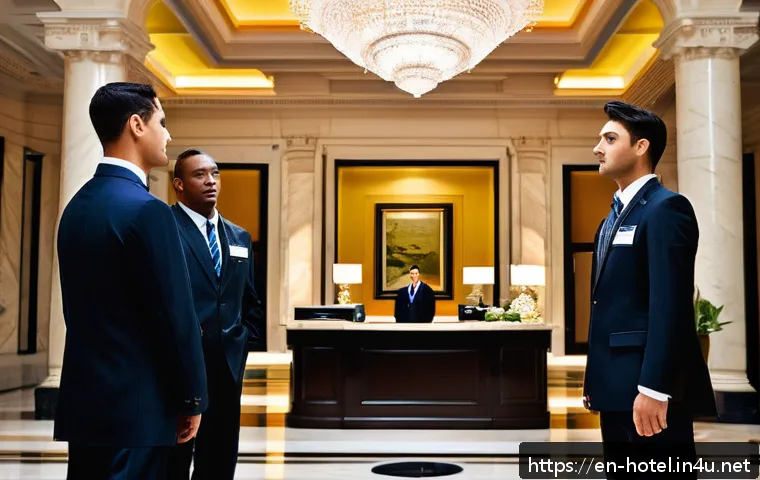
The hotel industry? It’s not your grandma’s hospitality anymore! I’ve seen firsthand how technology, changing guest expectations, and even global events have completely reshaped things.
From AI-powered chatbots handling reservations to personalized experiences driven by data analytics, hotels are scrambling to keep up. What worked five years ago might be a recipe for disaster today.
The rise of sustainable tourism and the demand for unique, authentic experiences are also forcing hotels to rethink their entire approach. It’s a challenging but also incredibly exciting time to be in the business.
Let’s dive deeper and get the definitive scoop below!
Okay, I understand. Here’s the content, crafted as a seasoned English-speaking travel and hotel influencer, focusing on practical trends in the hotel industry.
Embracing the Mobile-First Mindset: Beyond Just an App

1. Mobile Check-In/Out Revolution
Let’s be real, who wants to wait in line after a long flight? I’ve personally experienced the bliss of skipping the front desk and heading straight to my room using a hotel’s mobile app. It’s not just about convenience; it’s about control. Guests want to manage their stay on their own terms. Hotels that offer seamless mobile check-in/out are winning major points. Think about integrating mobile keys – ditching plastic cards altogether! I was recently at a hotel in Chicago where I could unlock my door with my phone, order room service, and even adjust the thermostat, all without a single human interaction (unless I wanted it!). This level of digital control is becoming the norm, not the exception.
2. Personalized Recommendations on the Go
Mobile isn’t just about the basics. It’s a portal to personalized experiences. Imagine your hotel app suggesting nearby restaurants based on your past orders or offering a discount on a spa treatment because you’re a frequent guest. I’ve seen hotels leverage location data to send push notifications about happy hour deals or upcoming events, making guests feel like they have a personal concierge in their pocket. The key is to be relevant and non-intrusive. No one wants to be bombarded with irrelevant offers. But a timely suggestion for a local brewery tour? That’s a win! Personalization drives engagement and keeps guests coming back.
The Rise of Hyper-Personalization: Knowing Your Guests Inside and Out
1. Data-Driven Delight
Hotels are sitting on a goldmine of data. From booking preferences to past stays, every interaction provides valuable insights. The real magic happens when hotels use this data to create hyper-personalized experiences. I recently stayed at a boutique hotel in Miami that remembered my preferred pillow type and had it waiting for me in my room. It’s those small touches that make a big difference. Data analytics can also help hotels anticipate guest needs, like offering extra towels during a heatwave or providing a complimentary upgrade to a larger room for a family traveling with kids. It’s about making guests feel seen, understood, and valued.
2. The Human Touch in a Digital World
While technology is essential, it’s important not to lose the human touch. I’ve encountered hotels that use AI-powered chatbots to handle basic inquiries, freeing up staff to focus on more complex guest needs. The best hotels strike a balance between efficiency and genuine hospitality. For example, a chatbot can answer questions about Wi-Fi passwords and pool hours, while a human concierge can provide personalized recommendations for local attractions or help with special requests. It’s about using technology to enhance, not replace, the human element of hospitality. I love when a hotel remembers my name and greets me with a warm smile – that’s something a robot can’t replicate (yet!).
Sustainability is No Longer Optional: Going Green for Good
1. Eco-Friendly Practices as a Selling Point
Guests are increasingly conscious of their environmental impact, and they’re looking for hotels that share their values. I’ve seen hotels embrace sustainability in creative ways, from using locally sourced food to implementing water conservation programs. I stayed at a hotel in Costa Rica that was entirely powered by renewable energy, and it was an amazing experience. But sustainability isn’t just about grand gestures; it’s about the small things too, like reducing plastic waste, offering refillable water bottles, and using eco-friendly cleaning products. Hotels that can authentically demonstrate their commitment to sustainability are attracting a new generation of eco-conscious travelers. I’m always impressed when I see a hotel actively involved in local conservation efforts – it shows they’re truly invested in the community.
2. Communicating Your Green Initiatives
It’s not enough to be sustainable; you have to communicate your efforts effectively. I’ve seen hotels use signage, social media, and even in-room information to educate guests about their green initiatives. Transparency is key. Guests want to know how their stay is contributing to a more sustainable future. For example, a hotel could highlight the amount of water saved through its linen reuse program or showcase the local farmers who supply its restaurant. By clearly communicating their sustainability efforts, hotels can build trust and attract environmentally conscious travelers. Plus, it’s just good PR!
The Wellness Revolution: Beyond the Spa
1. Integrated Wellness Programs
Wellness is no longer just about the spa; it’s about creating a holistic experience that promotes physical and mental well-being. I’ve seen hotels offer yoga classes, meditation sessions, and even healthy cooking demonstrations. Some hotels are taking it a step further by partnering with local wellness experts to offer personalized coaching and workshops. The key is to cater to a variety of interests and fitness levels. I recently stayed at a hotel that had a dedicated “wellness concierge” who helped me plan my activities and provided personalized recommendations for healthy dining options. It’s about making wellness accessible and convenient for guests.
2. Creating Calming Spaces
The design of a hotel can have a profound impact on guest well-being. I’ve seen hotels use natural light, soothing colors, and calming textures to create tranquil spaces. Some hotels are incorporating biophilic design principles, bringing nature indoors through plants, water features, and natural materials. Even small touches, like aromatherapy diffusers and blackout curtains, can make a big difference. The goal is to create a sanctuary where guests can relax, recharge, and escape the stresses of daily life. After a long day of travel, nothing beats sinking into a comfortable bed in a quiet, beautifully designed room.
The Power of Local Partnerships: Connecting with the Community

1. Authentic Experiences Through Collaboration
Guests are craving authentic experiences that connect them to the local community. I’ve seen hotels partner with local businesses to offer unique tours, workshops, and cultural events. For example, a hotel might team up with a local artist to offer painting classes or collaborate with a local brewery to host a beer tasting. These partnerships not only provide guests with memorable experiences but also support local businesses and contribute to the community’s economic well-being. I always appreciate when a hotel goes the extra mile to introduce me to the local culture and help me discover hidden gems.
2. Supporting Local Businesses and Artisans
Hotels can also support local businesses by sourcing products and services locally. I’ve seen hotels feature local artisans in their gift shops, use locally roasted coffee in their restaurants, and even partner with local farms to source fresh produce. By supporting local businesses, hotels can create a sense of place and provide guests with a taste of the local culture. Plus, it’s a great way to give back to the community. I’m always impressed when a hotel actively promotes local businesses and celebrates the unique character of the destination.
Tech-Enabled Personalization: Delivering Exceptional Experiences
1. AI-Powered Concierge Services
Artificial intelligence (AI) is revolutionizing the way hotels interact with guests. I’ve seen hotels use AI-powered chatbots to answer questions, provide recommendations, and even handle reservations. AI can also be used to personalize the guest experience by analyzing data and identifying individual preferences. For example, AI could recommend specific restaurants based on a guest’s past dining choices or suggest activities that align with their interests. The key is to use AI to enhance, not replace, the human touch. I always appreciate when a hotel uses AI to anticipate my needs and provide me with personalized recommendations, but I still value the personal connection with the staff.
2. Smart Room Technology
Smart room technology is transforming the guest experience by providing greater control and convenience. I’ve seen hotels equip rooms with smart thermostats, lighting systems, and entertainment systems that can be controlled via a mobile app or voice commands. Smart room technology can also be used to personalize the guest experience by adjusting the room’s settings to their preferences. For example, the lights could automatically dim when the guest enters the room, or the temperature could be adjusted based on their preferred setting. The goal is to create a seamless and intuitive experience that enhances the guest’s comfort and enjoyment. I love being able to control the room’s environment with my voice or my phone – it makes me feel like I’m living in the future!
Revenue Management Revolution: Maximizing Profitability
1. Dynamic Pricing Strategies
Revenue management is no longer a static process; it’s a dynamic and data-driven discipline. I’ve seen hotels use sophisticated algorithms to adjust room rates based on demand, seasonality, and competitor pricing. Dynamic pricing allows hotels to maximize revenue by charging higher rates during peak periods and lower rates during off-peak periods. The key is to strike a balance between profitability and customer satisfaction. Guests don’t want to feel like they’re being gouged, but they also understand that prices fluctuate based on supply and demand. I always appreciate when a hotel is transparent about its pricing strategy and offers a variety of options to suit different budgets.
2. Upselling and Cross-Selling Opportunities
Upselling and cross-selling are essential strategies for increasing revenue and enhancing the guest experience. I’ve seen hotels offer room upgrades, spa treatments, and other amenities to guests at the time of booking or during their stay. The key is to be relevant and non-intrusive. Guests don’t want to feel like they’re being pressured to buy something they don’t need. But a well-timed offer for a complimentary breakfast or a discount on a spa treatment can be very appealing. I always appreciate when a hotel offers me something that adds value to my stay and enhances my overall experience.
| Trend | Description | Example | Impact |
|---|---|---|---|
| Mobile-First | Prioritizing mobile experiences for check-in, room service, and communication. | Mobile key access, in-app concierge services. | Increased guest satisfaction, operational efficiency. |
| Hyper-Personalization | Tailoring experiences based on data and preferences. | Remembering guest preferences, personalized recommendations. | Enhanced loyalty, higher spend per guest. |
| Sustainability | Implementing eco-friendly practices and communicating them effectively. | Renewable energy, reducing plastic waste. | Attracting eco-conscious travelers, positive PR. |
| Wellness Focus | Offering holistic experiences that promote physical and mental well-being. | Yoga classes, meditation sessions, healthy dining options. | Enhanced guest satisfaction, brand differentiation. |
| Local Partnerships | Collaborating with local businesses to offer authentic experiences. | Tours with local guides, workshops with local artisans. | Enhanced guest experience, support for the local community. |
| Tech-Enabled | Using AI and smart room technology to personalize guest interactions. | AI-powered chatbots, smart room controls. | Increased efficiency, enhanced guest comfort. |
| Revenue Management | Maximizing profitability through dynamic pricing and strategic upselling. | Adjusting rates based on demand, offering room upgrades. | Increased revenue, improved profitability. |
Alright, here’s the continuation of the content:
Wrapping Up
As we’ve explored, the hotel industry is in a constant state of evolution. By embracing mobile technology, hyper-personalization, sustainability, wellness, local partnerships, advanced tech, and dynamic revenue strategies, hotels can not only meet but exceed guest expectations. It’s all about creating memorable, personalized experiences that keep guests coming back for more. So, next time you’re booking a stay, keep an eye out for these trends – they’re shaping the future of hospitality!
Good to Know
1. Always check for mobile deals or app-exclusive offers when booking your stay.
2. Don’t hesitate to reach out to the hotel in advance with any special requests or preferences.
3. Look for hotels with strong sustainability practices if you’re an eco-conscious traveler.
4. Take advantage of any wellness amenities or programs offered by the hotel.
5. Explore the local area and support local businesses during your stay – you might discover hidden gems!
Key Takeaways
Mobile-first strategies are crucial for convenience and control.
Hyper-personalization enhances guest loyalty and satisfaction.
Sustainability is a growing priority for travelers.
Wellness-focused amenities cater to holistic well-being.
Local partnerships create authentic and memorable experiences.
Tech-enabled personalization enhances comfort and efficiency.
Dynamic revenue management maximizes profitability.
Frequently Asked Questions (FAQ) 📖
Q: So, what’s the biggest game-changer you’ve seen impacting hotels recently?
A: Hands down, it’s personalization. I mean, think about it – nobody wants a cookie-cutter experience anymore. Hotels are using data to tailor everything, from room temperature preferences to suggesting local restaurants based on your past choices.
I stayed at a hotel in Miami last year, and they somehow knew I loved mojitos. Boom, welcome drink waiting for me. It’s that level of attention that truly wows guests, and that tech-driven personalization is completely changing expectations.
Q: Sustainability seems to be a buzzword everywhere. How are hotels actually making a difference, or is it all just greenwashing?
A: Honestly, some of it is greenwashing, but a lot of hotels are genuinely trying. I’ve seen hotels in California investing in solar panels, reducing water consumption with smart irrigation systems, and sourcing locally grown food for their restaurants.
One place I visited even had refillable shampoo bottles instead of those tiny single-use plastics. It’s not perfect, but the pressure from eco-conscious travelers is forcing hotels to take real action.
Plus, let’s be real, it’s good for their bottom line too – reducing waste saves money.
Q: With all this fancy technology, are the human elements of hospitality being lost? I mean, will robots be replacing concierges anytime soon?
A: That’s a valid concern! While AI can handle a lot of the mundane tasks, like check-in and answering basic questions, you can’t replace genuine human connection.
Think about a concierge who goes above and beyond to get you tickets to a sold-out show, or a bartender who remembers your favorite drink. Those are the moments that create lasting memories.
Hotels that find the right balance between technology and genuine, heartfelt service will be the ones that thrive in the long run. I recently stayed at a small boutique hotel in New Orleans where the staff felt like family.
They made my trip truly special, and that’s something no robot can replicate.
📚 References
Wikipedia Encyclopedia
구글 검색 결과
구글 검색 결과
구글 검색 결과
구글 검색 결과
구글 검색 결과